


Every home has hidden energy leaks. Some are easy to spot, like drafty doors or old light bulbs, while others sit quietly behind walls, in attics, around ducts, or inside outdated systems that work harder than they should.
That is why energy efficient home upgrades are not just about buying new products. They are about helping your home waste less, feel better, and cost less to run month after month.
I always look at home efficiency as a smart order of improvements. First, fix the small things that drain energy every day. Then add technology that gives you more control. After that, consider larger upgrades like insulation, heat pumps, efficient windows, and solar when they truly make sense for your home and budget.
What Are the Best Energy Saving Upgrades to Start With?
The best place to start is usually a home energy audit. An audit helps you find drafts, weak insulation, duct leaks, outdated HVAC equipment, and appliances that use more power than they should. Instead of guessing, you can spend money where it creates the fastest improvement.
For many homes, the first improvements should be air sealing and insulation. Small gaps around windows, entry doors, attics, crawl spaces, outlets, and plumbing openings can make your heating and cooling system work harder.
Sealing those leaks with caulk, spray foam, and weatherstripping can reduce drafts and improve comfort before you spend thousands on larger upgrades.
Which Low-Cost DIY Fixes Lower Utility Bills Fast?

Low-cost fixes are ideal because they give homeowners quick wins without major remodeling. I would begin with air leaks around windows and exterior doors. If you feel cold air in winter or hot air in summer, seal those gaps before blaming your HVAC system.
Next, switch old incandescent bulbs to ENERGY STAR certified LEDs. LEDs use far less electricity than traditional bulbs and last much longer, which makes them one of the easiest upgrades for almost every room. DOE (Department of Energy) notes that LEDs can use up to 90% less energy than traditional incandescent bulbs and last up to 25 times longer.
Your water heater also deserves attention. In most homes, setting the water heater to 120°F gives you enough hot water while reducing unnecessary energy use. DOE lists lowering water heating temperature as a simple DIY project with annual energy savings potential.
Another easy fix is reducing phantom loads. TVs, chargers, computers, gaming systems, and kitchen appliances can still draw standby power when they appear turned off. Smart power strips help by cutting power when devices enter standby mode.
Finally, check your HVAC filter every month during heavy heating or cooling seasons. ENERGY STAR recommends changing the filter at least every three months because a dirty filter slows airflow and makes the system work harder.
Are Smart Home Devices Worth It for Energy Efficiency?
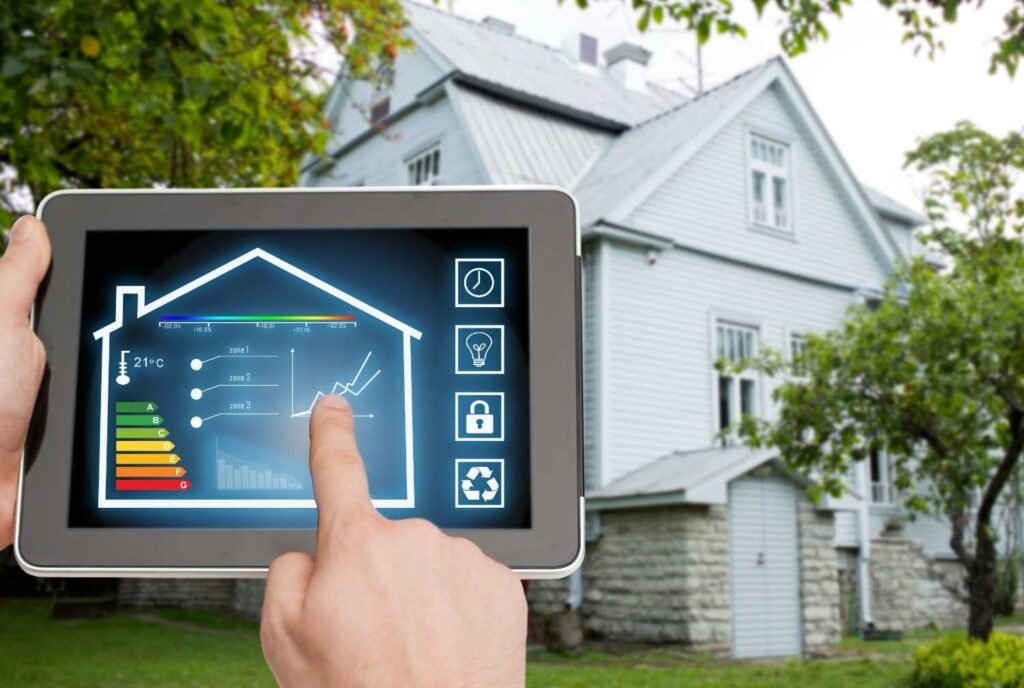
Smart technology works best when it helps you control energy use automatically. A smart thermostat is one of the most useful moderate-cost upgrades because it can adjust temperatures when you are asleep, away, or following a regular routine. This helps reduce wasted heating and cooling without forcing you to remember every setting manually.
Smart power meters and plug-in monitors can also help if you want to know exactly which appliances use the most electricity. Some homeowners use panel-mounted smart meters, clamp-style power monitors, or app-connected outlets to track historical usage and find power drains.
Bidirectional energy monitors are especially useful for homes with solar panels. They can show how much electricity your system produces, how much your home consumes, and how much power moves between your home and the grid. For a US home, choose devices that match local electrical codes, utility requirements, and installer recommendations.
Which Major Home Efficiency Improvements Have the Best ROI?
After quick fixes and smart controls, the biggest returns often come from structural improvements and major system upgrades. Attic insulation, wall insulation, crawl space insulation, and duct sealing can make the whole home perform better. If your attic is under-insulated, your home may lose heat in winter and gain too much heat in summer.
Duct sealing is also important for homes with forced-air heating and cooling. Leaky ducts can send conditioned air into attics, crawl spaces, garages, or wall cavities instead of living areas. That means you pay to heat or cool air that never reaches the rooms you use.
Energy efficient windows can also help, especially if your current windows are single-pane, damaged, drafty, or poorly sealed. Low-emissivity, or low-E, coatings help control heat transfer. DOE says windows with low-E coatings may cost more than regular windows but can reduce energy loss by 30% to 50%.
Should You Upgrade to Heat Pumps or Hybrid Water Heating?

Air-source heat pumps are becoming a popular choice because they transfer heat instead of creating it directly. A properly installed air-source heat pump can deliver two to four times more heat energy than the electrical energy it consumes, according to DOE.
This makes heat pumps a strong option for homeowners replacing old electric resistance heating, aging central air systems, or inefficient fossil fuel equipment. The right system depends on your climate, insulation, ductwork, home size, and local electricity rates.
A heat pump water heater can also create major savings. ENERGY STAR certified heat pump water heaters use 70% less energy than standard electric water heaters, making them one of the strongest upgrades for households that use a lot of hot water.
When Do Rooftop Solar and Battery Combos Make Sense?
Solar panels work best after you reduce waste inside the home. I would not size a rooftop solar system around inefficient lighting, weak insulation, leaking ducts, and outdated appliances. Lower your energy demand first, then explore solar.
For homeowners who want backup power, a solar inverter and battery storage combo can add resilience during grid outages. This matters in areas affected by storms, wildfires, heat waves, or unreliable power. Before signing a contract, compare warranties, installer licensing, utility interconnection rules, battery capacity, and whether the equipment is approved for US residential use.
What Is the Best Order for Home Energy Improvements?
The best order is simple: audit first, seal air leaks, improve insulation, maintain HVAC filters, add smart controls, reduce phantom loads, upgrade lighting, improve water heating, replace inefficient appliances, fix ducts, consider heat pumps, then look at windows and solar.
This order prevents wasted spending. A new HVAC system will perform better in a sealed and insulated home. A solar system will make more sense after you reduce electricity waste. New windows will deliver better value when they are part of a larger comfort and efficiency plan.
How Can US Homeowners Find Rebates and Incentives?

Before buying anything expensive, check federal, state, local, and utility incentive programs. Many utilities offer rebates for home energy assessments, air sealing, insulation, heat pumps, smart thermostats, water heaters, or appliance upgrades. ENERGY STAR also advises homeowners to check local utility rebates before starting certain efficiency projects.
Rules change often, so confirm eligibility before installation. Some rebates require specific equipment ratings, approved contractors, paperwork, or purchase dates.
Frequently Asked Questions (FAQs)
1. What is the most cost-effective way to make a home more energy efficient?
Air sealing, attic insulation, LED lighting, smart thermostat settings, and HVAC filter replacement are usually the most cost-effective starting points.
2. Do smart thermostats really save money?
Yes, smart thermostats can help reduce heating and cooling waste when you use scheduling, away mode, and temperature adjustments consistently.
3. Are heat pump water heaters worth it?
Heat pump water heaters can be worth it for many US households because they use much less electricity than standard electric water heaters.
4. Should I install solar panels before insulation?
No. In most cases, insulation and air sealing should come first because they reduce energy demand before you size a solar system.
Final Thoughts
The best energy efficient home upgrades are not random purchases. They are smart steps that reduce waste, improve comfort, and help your home use less energy every day. I would start with low-cost fixes like sealing drafts, switching to LEDs, lowering water heater temperature, using smart power strips, replacing dirty HVAC filters, and following indoor air safety tips for homes to keep the space healthier and more comfortable.
Then I would move toward smart thermostats, energy monitors, insulation, duct sealing, low-E windows, heat pumps, hybrid water heaters, and solar with battery backup when the home is ready. With the right energy efficient home upgrades, you can lower monthly bills, improve comfort, and avoid spending money on fixes that do not solve the real problem.