

Why Chat Gravel Performs Differently Than Standard Loose Rock
Chat gravel is often misunderstood as just another decorative aggregate. The real value is not in how it looks sitting loose in a pile. It is in how it behaves after placement. Because it contains a blend of small stone particles and stone dust, it can pack down into a tighter, more stable surface than traditional gravel.
That difference matters in any project where movement is the enemy. Loose rock shifts underfoot, migrates out of borders, and creates a surface that feels uneven or noisy to walk on. By contrast, chat gravel is designed to settle into a firmer finish that reads more like a constructed surface than a loose decorative layer. That is why One Source Materials positions it as a practical solution for pathways, xeriscaping, and patio sub-bases.
There is also a design reason people choose it. Chat gravel tends to look more intentional and more integrated with the landscape than coarse, oversized rock. It can soften the transition between hardscape and planting areas while still giving the site a clean, finished appearance. For owners who want performance without sacrificing a natural look, that balance is often the deciding factor.
What Chat Gravel Is Made Of and Why That Composition Matters
Chat gravel is a compactible aggregate made from small stone pieces plus fines, sometimes called stone dust. That combination is what gives the material its unique behavior. The larger particles provide structure, while the finer particles fill the gaps between them. When installed and compacted properly, the material locks together far more tightly than standard gravel.
This is not a small technical detail. The presence of fines changes the surface from one that simply sits in place to one that binds into a more unified layer. That means less rolling, less scatter, and a smoother finish overall. For high-use areas, that stability can make the difference between a surface that feels temporary and one that feels built into the site.
One Source Materials offers crusher fines and chat in a range of earthy and bold tones, which is useful because composition and appearance both matter. A material that performs well but clashes with the surrounding landscape is rarely a good long-term choice. Whether the goal is to echo desert tones, complement woodland planting, or create contrast with darker stone features, color is part of the specification, not an afterthought.
Chat, Crusher Fines, and Decomposed Granite Are Related but Not Identical
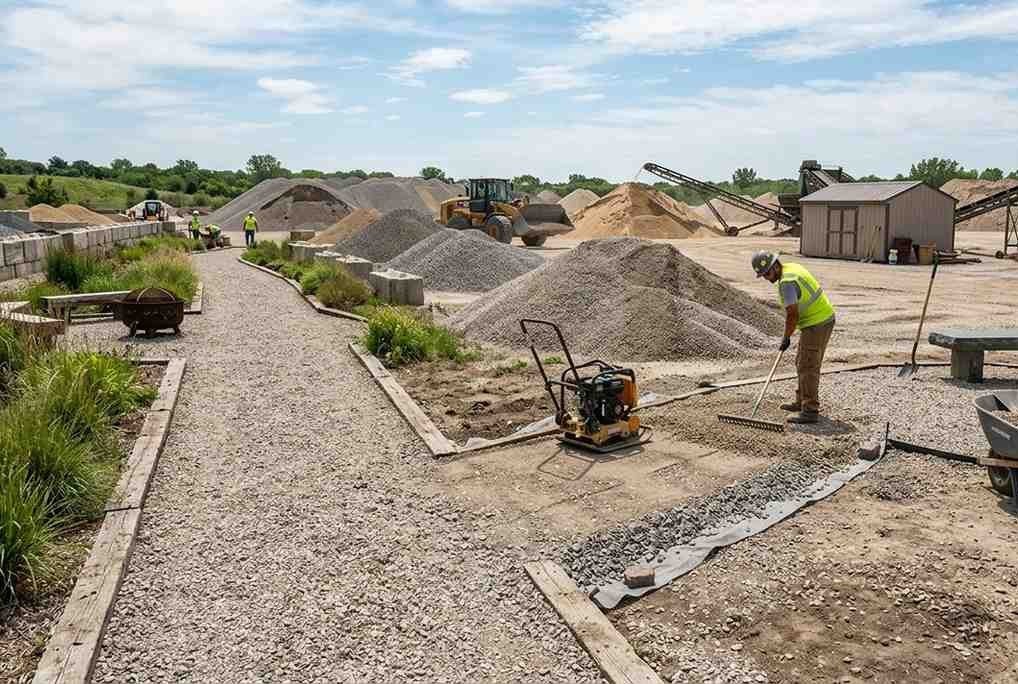
These terms are often used interchangeably, but there are practical distinctions worth keeping in mind. Chat is generally used to describe a compactible fine aggregate with a mix of small particles and dust. Crusher fines refers to the product class more directly, emphasizing how the material is produced. Decomposed granite and screenings are also used in similar contexts, depending on source material and regional naming conventions.
For buyers, the important question is not terminology for its own sake. It is whether the material will achieve the finish, stability, and appearance the project needs. That is where guidance from a supplier like One Source Materials can help, especially when selecting between different regional color profiles or durability characteristics.
Why Fines Create a More Stable Surface
The fines are what let the aggregate knit together. Without them, the larger particles would simply remain loose, and the surface would continue to shift under pressure. With them, the particles fill voids and support tighter compaction. That is why the finished surface feels smoother and more cohesive than ordinary gravel.
This also explains why the material is used in applications where people expect regular foot traffic. A pathway that gets daily use needs to feel consistent, not crunchy or unstable. A patio sub-base needs to support the project above it without creating a constantly shifting layer. Chat gravel is built for that middle ground between decorative stone and structural base material.
Where Chat Gravel Adds the Most Value in Real Projects
The best use cases for chat gravel are the ones where appearance and function need to work together. It is especially useful when a project needs a surface that is attractive, compactible, and more forgiving than rigid paving. That makes it a good fit for residential landscapes, trails, and other outdoor spaces where natural texture is part of the design language.
A useful way to think about it is to separate the role of the material into two categories:
- One-product use: a finished walking surface, such as a pathway, side-yard strip, or low-traffic landscape zone.
- Combined-product use: a structural layer or finishing material used alongside edging, pavers, stepping stones, or patio assemblies.
Chat gravel is not always the final visible surface. In some builds, it is the layer that makes the rest of the project perform better. In others, it is the main feature itself.
For xeriscaping, it is especially effective because it supports a clean, low-water look without the overly industrial feel of plain crushed stone. In trail and ranch settings, certain product options are selected for a more rugged use case. One Source Materials, for example, offers specialized choices such as Maverick Crusher Fines for tougher applications where durability is a priority.
How to Install Chat Gravel for a Better Finish
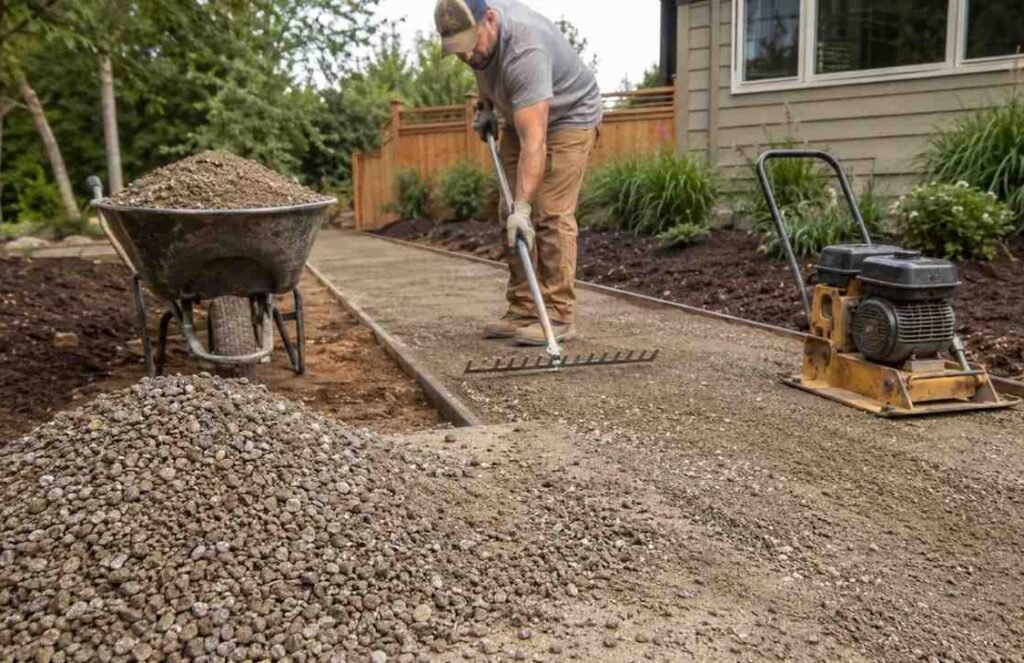
Installation quality matters as much as material quality. Even a well-made compactible aggregate can disappoint if it is placed without attention to grading, containment, and compaction. The goal is not simply to spread material across the ground. The goal is to create a stable, even layer that performs predictably over time.
Before placement, the base area should be prepared so the material has a clean, consistent foundation. Uneven subgrade conditions can show through in the finished surface, especially once the material is compacted. Good edge restraint also matters because compactible aggregate behaves best when it is held in place rather than allowed to drift outward.
It is also wise to think about drainage early. Any surface that sits in the landscape must handle water movement. Chat gravel is valued partly because it can provide a firm surface, but a firm surface still needs proper site planning so water does not create soft spots or washouts.
A few practical habits improve the outcome:
- Keep the base as uniform as possible before spreading the material.
- Place the material in a way that supports even compaction.
- Use containment or edging where the project needs a defined boundary.
- Plan transitions carefully if the chat gravel meets pavers, planting beds, or concrete.
- Expect some ongoing touch-up rather than treating the surface as a one-and-done install.
That last point is important. No compactible landscape surface is truly set-and-forget forever. Over time, traffic, weather, and site conditions can require minor maintenance. The advantage of chat gravel is that upkeep is usually manageable rather than intensive.
Choosing the Right Color and Texture for the Site
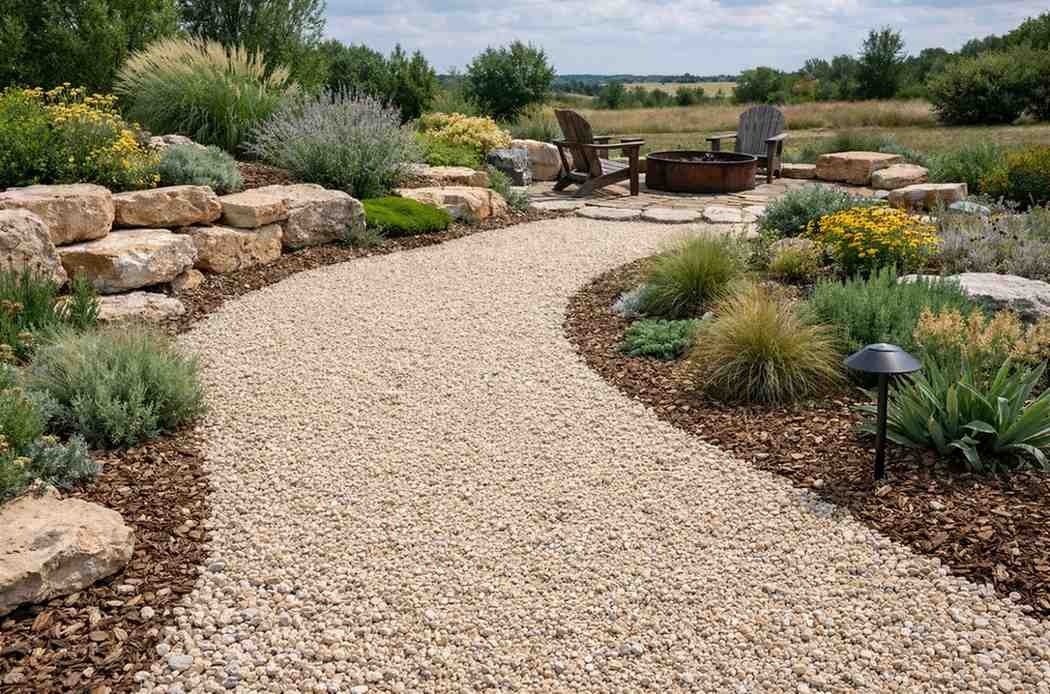
One Source Materials stands out because it offers more than a single generic aggregate profile. That matters because color influences how the material reads in daylight, in shadows, and next to adjacent hardscape. A warm tan may disappear beautifully into a desert planting scheme, while a darker charcoal tone can create a sharper, more modern edge.
The practical decision is to choose the product based on both visual fit and use intensity. A visually striking material is not necessarily the best option for a rugged, high-traffic area. Likewise, the toughest product is not always the best aesthetic match for a refined courtyard or front walk. The best result comes from matching the aggregate to the landscape purpose.
This is where consulting with One Source Materials becomes valuable. A supplier that understands both materials and site intent can help narrow the options faster. Instead of choosing by name alone, buyers can evaluate how the aggregate will actually perform in the intended environment.
The Long-Term Advantage of Using a Compactible Aggregate Well
The smartest way to think about chat gravel is as a structural design choice, not a cosmetic one. It improves how a space feels underfoot, how it looks from a distance, and how much attention it demands over time. It is a better answer than loose rock when the project calls for stability, and it is a better answer than hard pavement when the goal is to preserve a natural landscape character. For homeowners focused on living on a budget with joy, it can also provide an attractive, practical way to improve an outdoor space without relying on more expensive paving materials.
That is why products like those offered by One Source Materials continue to matter in practical outdoor design. They sit in a useful middle ground: natural, durable, and visually adaptable. For clients trying to build a path, refine a xeriscape, or create a more stable patio base, that middle ground is often exactly where the best outcome lives.