

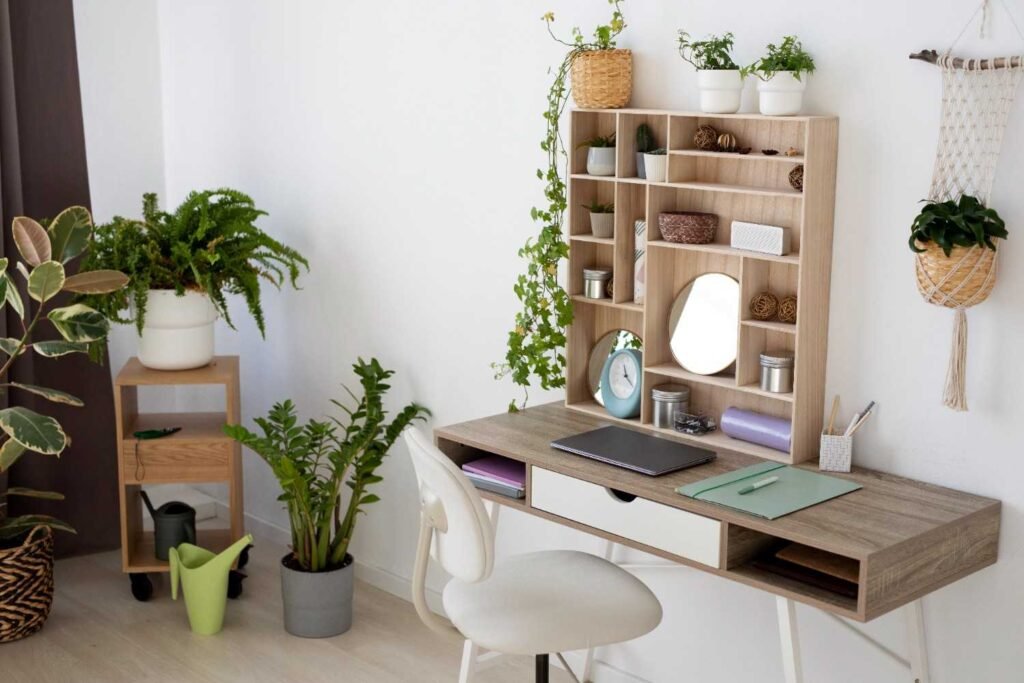
Finding the right home office ideas for small spaces can feel tricky when your apartment, condo, or house does not have a spare room. I know how frustrating it can be to need a quiet work zone while still trying to keep your bedroom, living room, or dining area comfortable.
The good news is that a small home office does not need much square footage. It needs the right furniture, layout, storage, and lighting.
A smart small home office setup starts by using vertical space, choosing low-profile furniture, and making overlooked corners work harder. Instead of filling the floor with bulky desks and cabinets, shift your focus to walls, closets, windows, and compact pieces that serve more than one purpose.
How Can I Make a Small Home Office Feel Bigger?
The easiest way to make a small workspace feel bigger is to keep the floor as open as possible. Wall-mounted systems, floating desks, fold-down workstations, and vertical storage all help create a cleaner look. When furniture sits lightly in the room, the office feels less crowded and more intentional.
I also like using furniture that can disappear visually when the workday ends. A tuck-away chair, slim writing desk, or Murphy-style desk can turn a tight corner into a useful work zone without making the whole room feel like an office. This matters a lot in American apartments and small homes where one room often has to support several daily routines.
What Furniture Works Best in a Small Home Office?
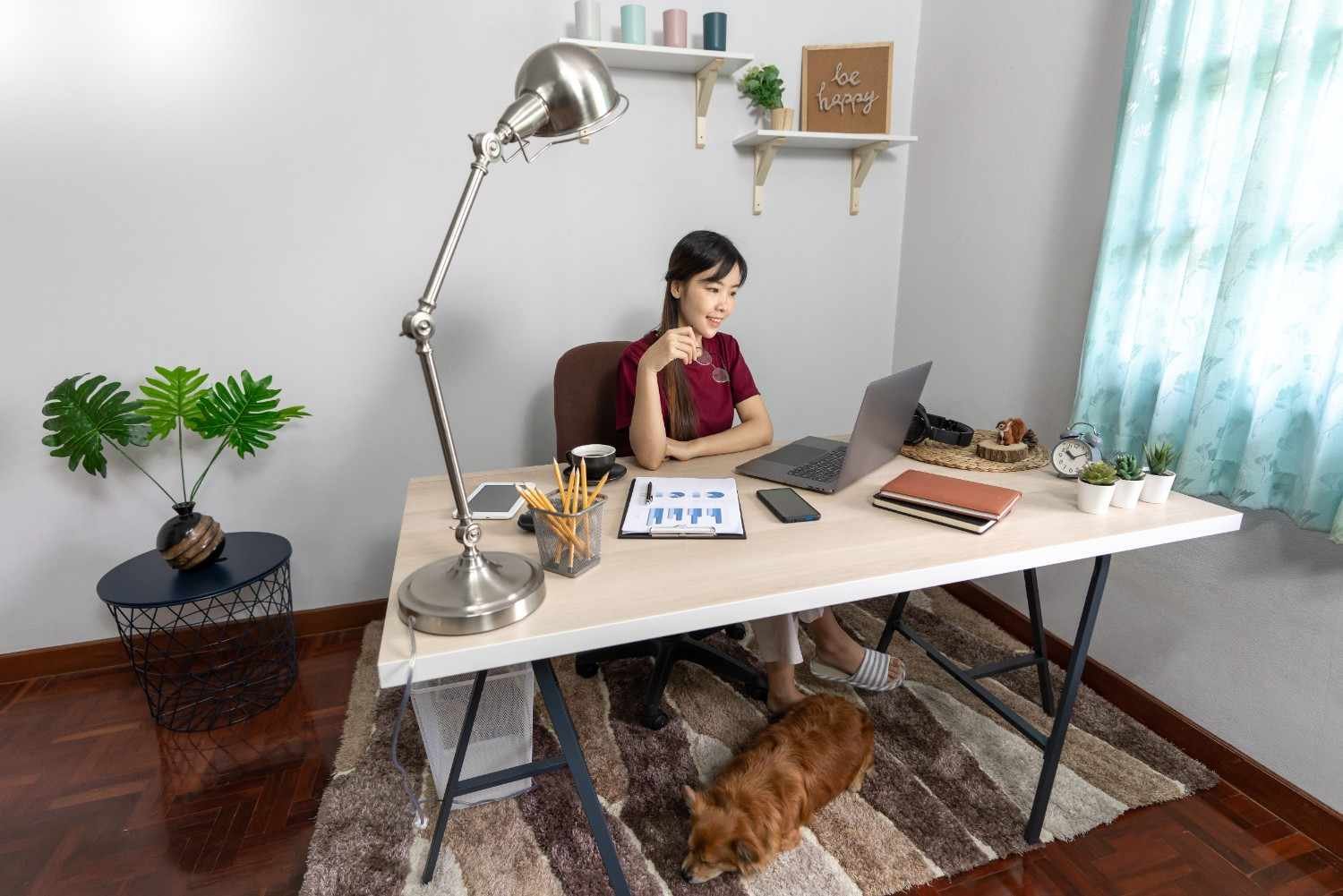
Floating desks are one of the best choices because they mount directly to the wall and remove bulky legs from the floor. This gives the room a cleaner look and makes it easier to vacuum, move around, or tuck a chair underneath. A floating desk works especially well in bedrooms, studio apartments, and narrow living room walls.
Ladder desks are another smart option because they combine a narrow desktop with upper shelving. They lean against the wall and provide room for books, baskets, small decor, and office supplies without needing a separate bookcase.
If you only work from home part-time, a fold-down workstation can be even better. It folds flat against the wall when you finish working, which makes it ideal for multipurpose rooms.
A tuck-away chair is just as important as the desk. Choose a low-back or armless chair that slides completely under the work surface. A bulky office chair may feel comfortable at first, but it can quickly overwhelm a small room and block movement.
Where Should I Put a Desk in a Small Room?
The best desk location depends on how the room functions during the rest of the day. A bedroom desk can work well if it replaces a nightstand or sits near a window. This keeps the room useful without adding too much furniture. I would choose a calm color palette, closed storage, and an office chair that does not make the sleeping area feel busy.
In a living room, a desk can sit behind the sofa, beside a bookcase, or along an empty wall. The trick is to make the workspace blend with the room instead of looking like a random office corner. A slim desk, stylish lamp, simple wall art, and a comfortable office chair can help the setup feel natural.
Unused corners also deserve attention. A triangular corner desk can turn dead space into a productive zone. This works well in dining rooms, hallways, guest rooms, and open-plan apartments.
If you place the desk near a window, the natural light can make the setup feel more open and less cramped. Just add blinds or light-filtering curtains to reduce glare during video calls.
Are Closet Office Ideas Worth Trying?
A closet office, often called a cloffice, is one of my favorite small office ideas because it keeps work contained. You can remove the closet doors, add a desktop, install overhead shelving, and create a compact workstation inside a space that may already be underused.
This setup works especially well for renters or homeowners who do not want a permanent renovation. Shelves above the desk can hold files, baskets, and supplies, while the desk surface stays clear for daily work. If the closet is dark, add an LED strip, a small wall sconce, or a compact desk lamp.
The best part is the boundary it creates. When the workday ends, you can close the doors or use a curtain to hide the workspace. That small visual separation can make a big difference when your office sits inside your home.
How Do I Separate Work Space From Living Space?
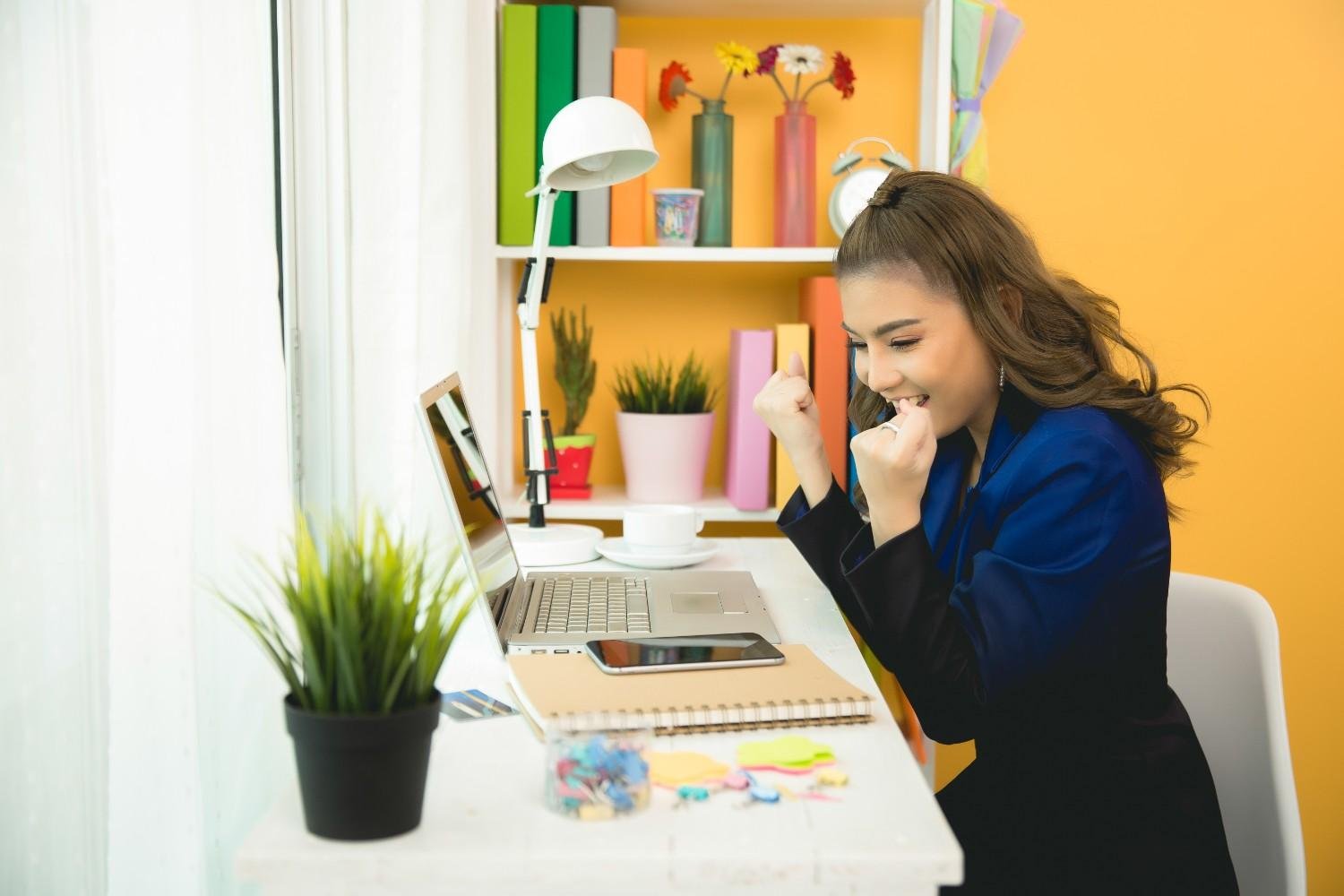
When you cannot dedicate a full room to an office, use visual separation. An open-backed bookshelf can divide a work area from a living space while still letting light pass through. A folding screen can also create privacy during calls or focused work.
For studio apartments, this kind of separation helps the home feel more organized. You do not need to build walls or make expensive changes. Even a rug under the desk, a painted accent wall, or a different lighting style can signal that one corner is for work and another is for relaxing.
What Are the Best Storage Ideas for a Small Workspace?
The best storage for a small workspace goes up, not out. Pegboards are great because they hold stationery, headphones, scissors, chargers, and small tools on a flat wall-mounted grid. They keep the desktop clear and make supplies easy to reach.
Floating shelves are another strong choice. Stack them above your monitor or desk area to keep folders, books, and decor off the work surface. If you do not want to install much on the wall, a slim three-tier rolling cart can hold files, notebooks, and tech accessories. You can roll it beside the desk while working and slide it into a closet when you are done.
Cable management also matters. A beautiful home office desk idea can still look messy if cords are everywhere. Use cable clips, cord covers, or a small cable box to keep chargers and wires under control.
How Can Lighting Improve a Small Home Office?
Good lighting makes a small home office design feel larger, brighter, and more comfortable. Natural day light is helpful, but task lighting is just as important. A small desk lamp, wall-mounted light, or adjustable LED lamp can reduce eye strain and make the workspace feel more polished.
If the room feels dark, use mirrors, light wall colors, and simple window treatments to reflect more light. Avoid heavy curtains that make the area feel closed in. I also like adding one small plant or framed print, but I would keep decor minimal so the space does not feel cluttered.
What Small Office Mistakes Should I Avoid?
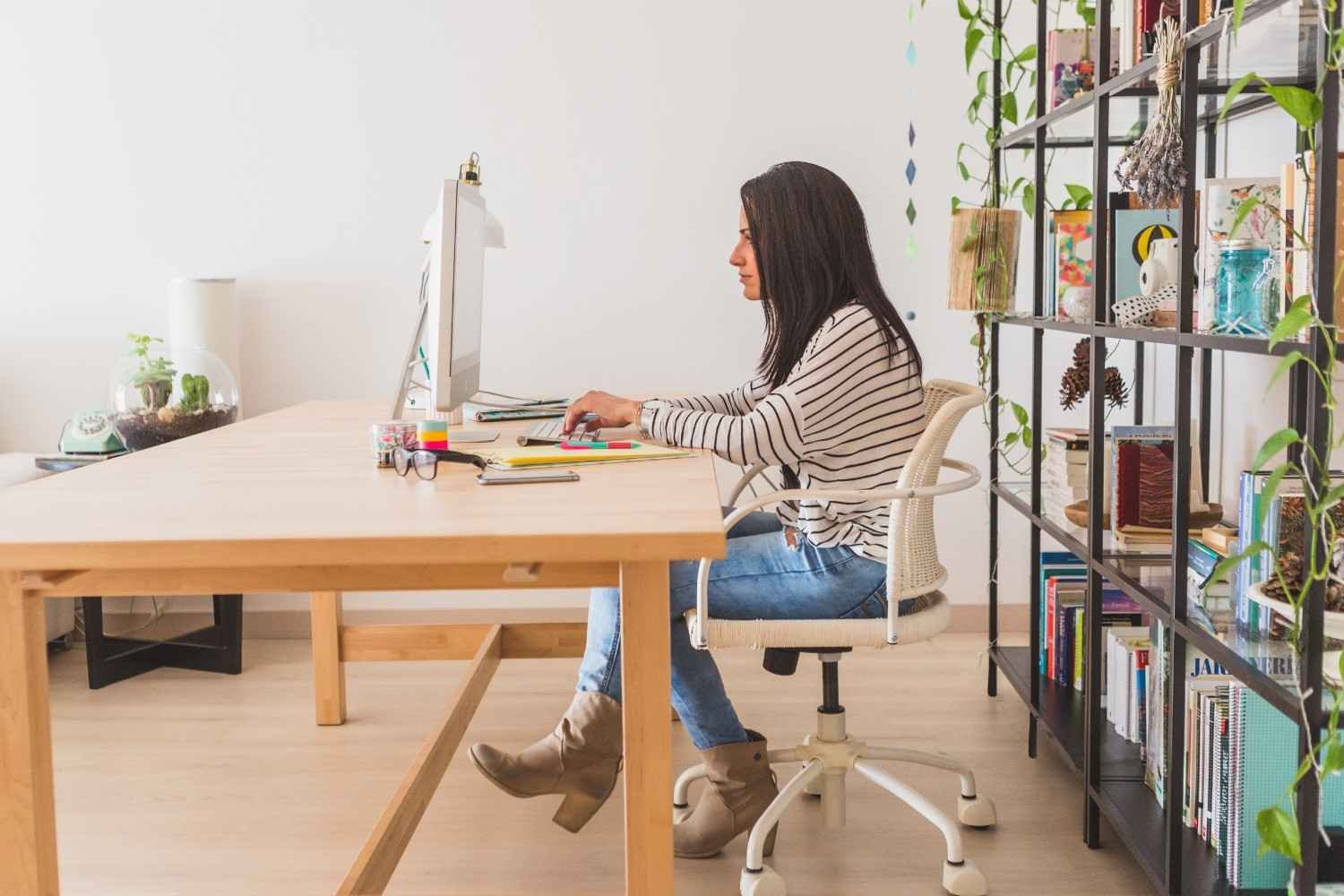
The biggest mistake is choosing furniture that is too large. A desk should support your work, but it should not block doors, walkways, closet access, or natural light. Another mistake is using a chair that looks good but feels uncomfortable. If you work long hours, comfort matters.
Clutter is another common problem. Papers, cords, decor, and office supplies can quickly make a small space feel chaotic. A simple end-of-day reset helps. Put notebooks away, clear the desktop, charge devices in one place, and keep only the essentials within reach.
Final Thoughts
The best home office ideas for small spaces do not try to copy a full-size office. They use what you already have in a smarter way. A closet, corner, wall, window nook, or living room edge can become a stylish and productive workspace when you choose the right desk, chair, storage, and lighting.
I would start small, measure carefully, and focus on pieces that solve more than one problem. A floating desk, ladder desk, fold-down workstation, pegboard, floating shelf, rolling cart, or tuck-away chair can completely change how a small room works while also helping with creating relaxing home corner that feels calm and useful.
With the right setup, even the tightest corner can become a home office that feels practical, comfortable, and easy to use every day.