



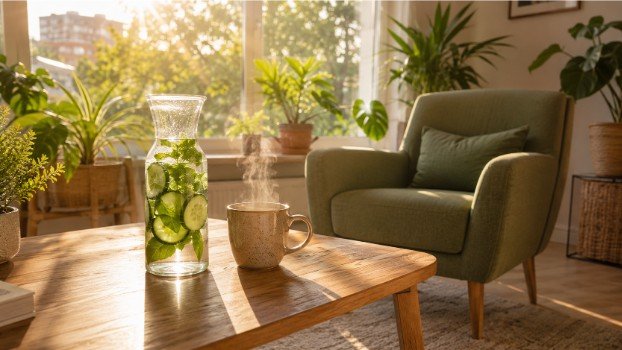
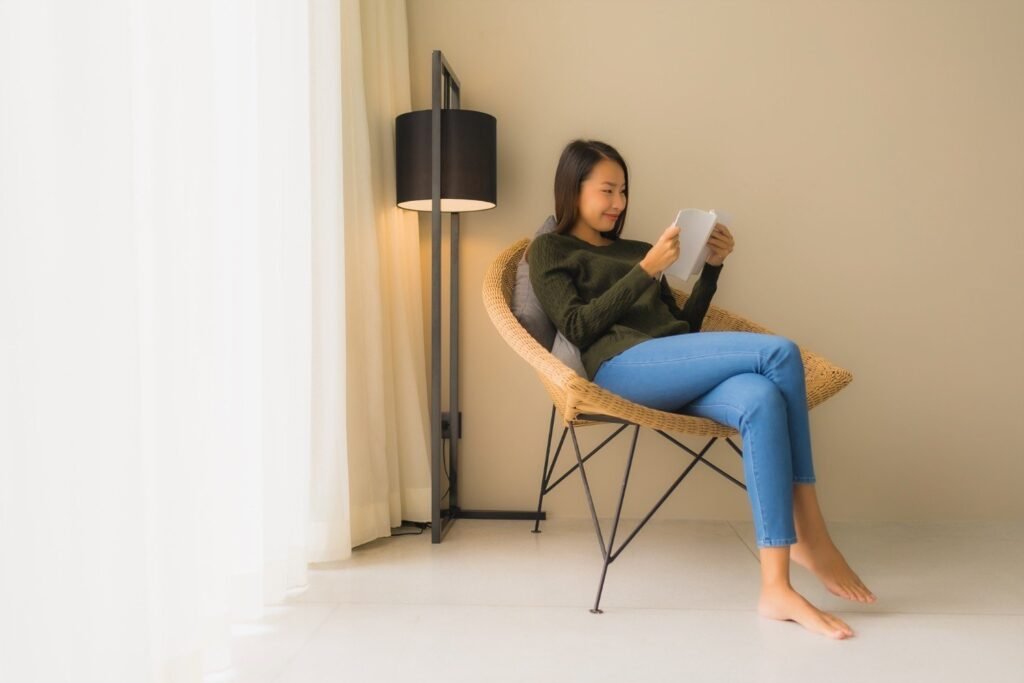
Most homes have one corner that does nothing more than collect bags, laundry, boxes, or random decor. I like to see that unused space differently. With the right setup, even a small corner can become the place where the day slows down and the mind finally gets a break.
Learning how to create a relaxing corner at home is not about buying expensive furniture or redesigning an entire room. It is about choosing a quiet, low-traffic spot and filling it with comfort, soft lighting, calming colors, and sensory details that help your brain switch off.
Whether you live in a suburban house, city apartment, studio, condo, or shared family home, a peaceful corner can give you a daily place to read, journal, sip coffee, pray, meditate, stretch, or simply breathe.
Where Is the Best Place to Create a Relaxing Corner at Home?
The best relaxing corner starts with location. I always look for a low-traffic nook away from main hallways, loud appliances, cluttered desks, and busy kitchen paths. If the spot already feels slightly private, it will be easier to turn it into a calm corner and support simple ways to relieve stress during a busy day.
A bedroom corner works well when you want privacy. A living room corner near a bookshelf can become a cozy reading nook. A window area can feel peaceful because natural light and outdoor views instantly soften the mood. If you have a garden view, backyard view, balcony, or even a sunny apartment window, place your setup there if possible.
The goal is to claim one clear boundary. Once you choose the spot, treat it differently from the rest of the home. This should not be where bills pile up, where devices charge, or where work follows you after hours.
How Do I Make a Relaxing Corner Feel Screen-Free?
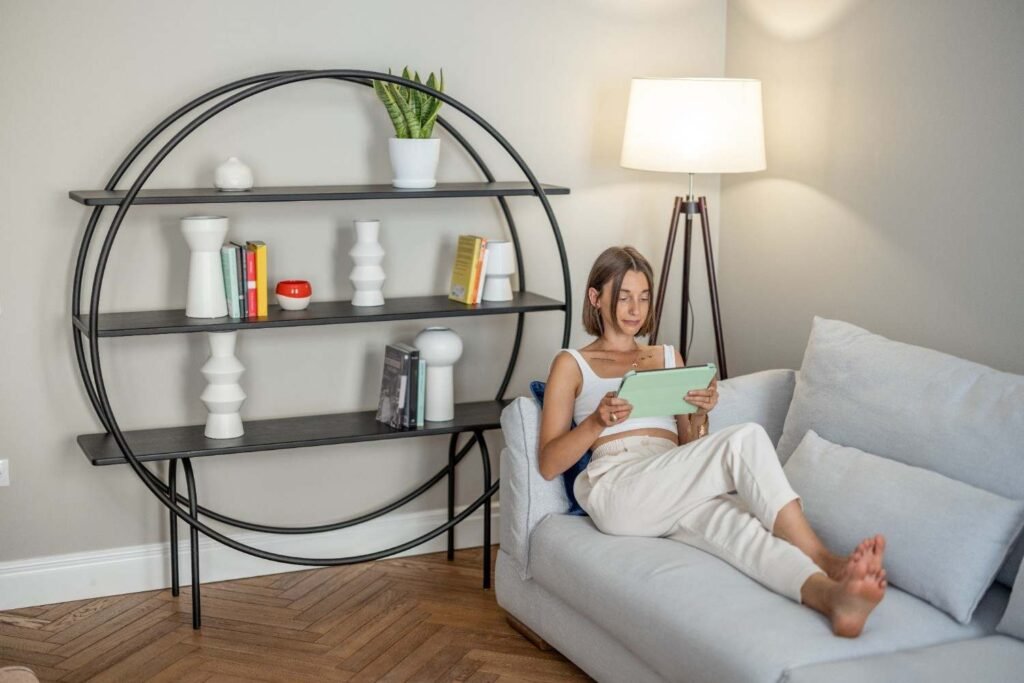
A truly restful nook needs fewer digital distractions. I recommend making this space a screen-free zone as much as possible. That means no television, laptop, work tablet, or visible charging cables inside the boundary. Your phone can stay nearby for safety, but it should not become the center of the space.
This one rule changes the whole purpose of the corner. Instead of becoming another scrolling spot, it becomes a small self-care corner where your mind can slow down. You can use the space for reading, journaling, sketching, prayer, meditation, gentle music, or quiet reflection.
If you work from home, this separation matters even more. Many American homes now serve as offices, gyms, classrooms, and entertainment spaces at once. A screen-free rest nook gives your brain a visual signal that this corner is not for productivity. It is for recovery.
What Furniture Works Best for a Cozy Rest Nook?
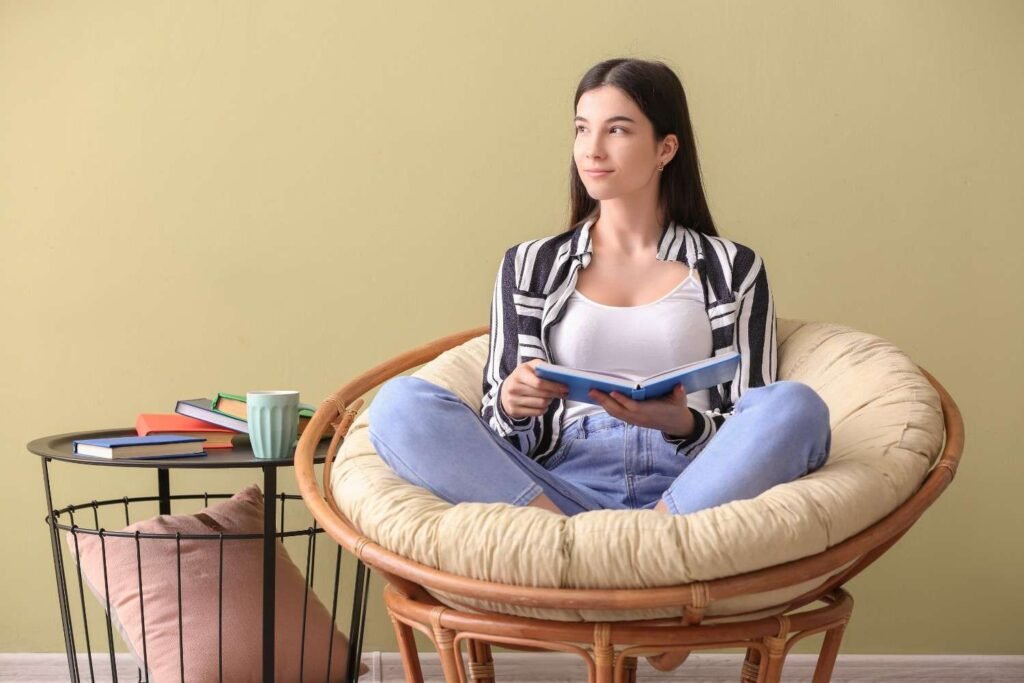
Comfort comes before style. A beautiful chair will not help if it feels stiff after five minutes. I like oversized armchairs, papasan chairs, compact recliners, supportive floor poufs, cushioned benches, or deep accent chairs. In a small apartment, a floor cushion with a soft rug can work better than bulky furniture.
A small table also makes the corner more usable. A C-shaped side table, round side table, stool, or wall-mounted ledge gives you space for tea, coffee, water, books, glasses, or a candle. Without that surface support, the corner may look nice but feel inconvenient.
Floor comfort matters too. A plush rug, faux fur mat, thick woven rug, or soft washable rug can ground the entire setup. It also adds floor insulation, which helps the corner feel warmer and more defined, especially in homes with hardwood, vinyl, tile, or concrete flooring.
What Colors Make a Corner Feel Calm?
Color can either calm the eye or make the space feel busy. For a peaceful home corner, I prefer low-saturation shades like beige, cream, warm white, sage green, muted blue, soft gray, clay, taupe, and light brown.
These colors work well in many US home styles, from modern apartments to farmhouse-inspired living rooms, and they also connect with the effects of saturation on anger, since overly intense colors can sometimes make a space feel more stimulating than restful.
You do not need to repaint the whole room. A calm pillow, throw blanket, rug, artwork, or curtain can shift the mood without a big project. If you rent, removable wallpaper or peel-and-stick wall panels can help define the area without permanent changes.
The key is to reduce visual noise. Keep paperwork, mail, cords, extra decor, laundry, and random items out of the corner. Clear surfaces help the brain read the space as peaceful instead of unfinished.
How Can Lighting Make the Corner More Relaxing?
Lighting is one of the fastest ways to change the feeling of a space. I avoid harsh overhead lights in a relaxing corner because they can make the room feel too alert and active. Warm table lamps, floor lamps, plug-in sconces, salt lamps, and soft fairy lights create a more intimate mood.
If you use the corner during the day, natural light is ideal. Add light-filtering curtains or blinds if the sun creates glare. At night, choose warm bulbs instead of cool white bulbs. A dimmable lamp is even better because you can adjust the brightness for reading, journaling, or resting.
Good lighting also makes the corner feel separate from the rest of the room. When one small lamp glows in a quiet nook, the space starts to feel intentional, even if it sits in a larger living room or bedroom.
How Do I Use Texture to Make the Space More Comfortable?
Texture adds warmth, softness, and comfort. I like layering tactile textiles because they make the corner feel inviting without needing much furniture. A thick knit blanket, faux fur throw, velvet cushion, linen pillow, cotton quilt, or woven basket can make a basic chair feel like a personal retreat.
Natural materials also help. Wood, rattan, jute, cotton, wool, linen, ceramic, and stone bring an earthy feeling into the space. These details keep the corner from feeling cold or overly decorated.
Soft textures can also absorb some sound. If your home feels noisy because of kids, pets, traffic, or neighbors, a rug, curtain, upholstered chair, and pillows can make the nook feel quieter. That small acoustic shift can make the area easier to enjoy.
How Do I Add Calming Sensory Details?
A strong relaxing corner should soothe more than the eyes. This is where scent, sound, and touch matter. For aromatherapy, I like lavender, sandalwood, cedarwood, vanilla, or eucalyptus in a candle, diffuser, or room spray. Keep scents light so the corner feels fresh, not overwhelming.
Sound can also help. A small water fountain, white noise machine, or Bluetooth speaker playing soft rain sounds, ocean waves, piano music, or gentle nature sounds can create acoustic peace. This works especially well in apartments, townhomes, and homes near busy streets.
Mindful tools complete the space. Keep a gratitude journal, sketching pad, devotional book, favorite novel, crossword book, or simple notebook nearby. These items give your hands something calming to do without turning the corner into a work zone.
What Plants and Decor Should I Add?
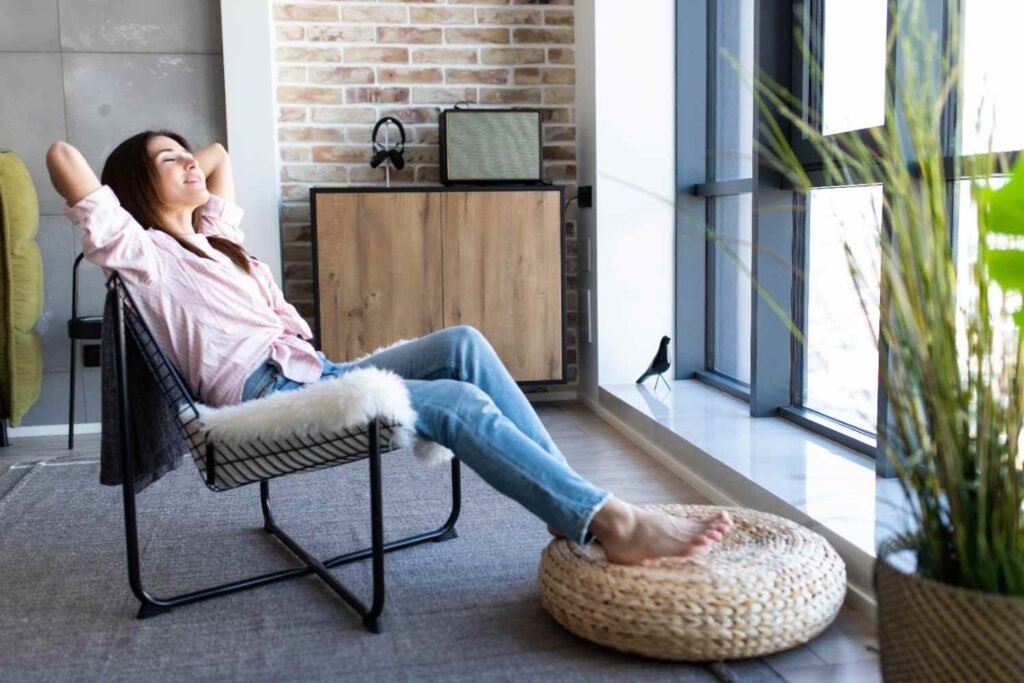
Living greenery makes a cozy corner feel fresh and grounded. Low-maintenance plants like snake plants, pothos, ZZ plants, peace lilies, or small succulents work well because they do not demand constant attention. A plant stand or wall shelf can save floor space in a small home relaxation space.
For decor, I prefer fewer pieces with more meaning. One framed photo, one small artwork, one candle, one ceramic bowl, or one stack of books is enough. The corner should feel personal, but not crowded.
This is also where how to create a relaxing corner at home becomes personal. If you love reading, add books. If you love prayer, keep the space simple. If you enjoy music, add a speaker. If you like morning coffee, make room for a mug and coaster. The best corner supports your real routine.
What Mistakes Should I Avoid When Creating a Rest Corner?
The biggest mistake is choosing style over comfort. If the seat looks good but hurts your back, you will not use it. Pick furniture that supports your body first.
Another mistake is placing the nook too close to stress triggers. Avoid setting it beside laundry piles, paperwork, a home office desk, noisy appliances, or children’s toy storage. The space should not remind you of tasks waiting to be done.
I would also avoid overdecorating. Too many candles, books, plants, pillows, and accessories can make the area feel crowded. A relaxing corner should remove visual noise, not add more of it.
Frequently Asked Questions (FAQs)
1. How do I create a relaxing corner in a small apartment?
Choose one unused area near a window, bed, sofa, or bookshelf. Add a compact chair, soft rug, warm lamp, small table, and one or two calming items. Keep the area clutter-free so it feels separate from the rest of the apartment.
2. What should I put in a relaxing corner at home?
A relaxing corner usually needs comfortable seating, warm lighting, a soft rug, pillows, a throw blanket, a small table, a plant, and a few personal items like books, journals, candles, or calming music.
3. How can I make a corner feel cozy without spending much?
Use items you already own. Move a chair, add a blanket, place a lamp nearby, bring in a plant, and clear away clutter. Small changes can make the space feel warm without a full makeover.
4. Can a relaxing corner help reduce stress at home?
A calming corner can support better daily routines by giving you a quiet place to pause, breathe, read, journal, or step away from screens. The space works best when you use it consistently and keep it free from work and clutter.
Final Thoughts
When I think about how to create a relaxing corner at home, I think about building one small space that helps the whole day feel lighter. It does not need to be large, expensive, or perfect. It only needs privacy, comfort, soft lighting, soothing textures, gentle sensory details, and a clear purpose.
If you live in an older property, it is also smart to keep basic fire safety tips for older homes in mind when placing lamps, candles, cords, rugs, or fabric near your rest nook.
Start with one low-traffic corner. Remove clutter, add a comfortable seat, use warm lighting, layer soft textiles, include a calming scent or sound, and keep screens away. Over time, that quiet nook can become your favorite place to reset, recharge, and feel more at home.