




Older homes have a kind of character that newer houses rarely match. I love the charm of original woodwork, vintage windows, old fireplaces, built-ins, and rooms that feel full of history. But I also know that the same features that make an older house beautiful can hide serious fire risks behind walls, under floors, and around aging systems.
That is why fire safety tips for older homes need to be more specific than general home safety advice. A house built decades ago may have aging electrical systems, outdated building materials, narrow hallways, painted-shut windows, older heating equipment, and layouts that lack modern compartmentalization.
These issues can make it easier for smoke and flames to spread and harder for residents to escape quickly.
Why Do Older Homes Have Higher Fire Safety Risks?
Older houses were not designed for today’s electrical demand. Modern families use air fryers, microwaves, laptops, gaming systems, chargers, smart devices, window AC units, and space heaters. When those devices run on old wiring or limited outlets, the risk increases.
Some older structures may still have knob-and-tube wiring, aluminum wiring, old fuse boxes, fraying fabric-insulated wiring, or ungrounded outlets. Other homes may have decades of DIY electrical fixes hidden behind walls. These conditions do not always look dangerous from the outside, but they can create electrical fire hazards.
Older homes may also have vintage windows that are painted shut or warped, security grilles without emergency release latches, tight stairways, and cluttered storage areas. In an emergency, those details matter.
How Should You Upgrade Smoke Alarms in an Older House?
Smoke alarms should be the first safety upgrade in any older home. The U.S. Fire Administration recommends testing smoke alarms monthly, replacing batteries at least once a year, and replacing the entire smoke alarm every 10 years. It also recommends installing alarms on every level, inside bedrooms, and outside sleeping areas.
In an older house, I would choose interconnected smoke alarms when possible. When one alarm detects smoke, every alarm sounds throughout the home. That matters in houses with thick walls, closed-off rooms, basements, attics, or multiple floors.
Carbon monoxide detectors are also important if the home has a gas furnace, fireplace, attached garage, boiler, or fuel-burning appliance. Smoke alarms warn you about fire, while carbon monoxide detectors warn you about a gas you cannot see or smell.
What Electrical Problems Should Older Homeowners Check First?
Electrical safety should come before cosmetic upgrades. If I bought an older home, I would call a licensed electrician before spending money on paint, fixtures, or furniture.
Warning signs include flickering lights, buzzing switches, warm outlets, burning smells, frequent breaker trips, sparks, or outlets that no longer hold plugs tightly. These signs may point to overloaded circuits, loose connections, damaged wiring, or an outdated electrical panel.
A licensed electrician can inspect knob-and-tube wiring, aluminum wiring, old fuse boxes, fabric-insulated wiring, and ungrounded outlets. They can also recommend GFCI protection near wet areas and AFCI protection where needed. The NFPA notes that AFCIs and GFCIs should be installed by a qualified electrician, and defective devices should be replaced immediately.
How Can You Avoid Overloaded Circuits and Outlet Fires?
Many older homes simply do not have enough outlets for modern life. That is when homeowners start using power strips, outlet adapters, and extension cords in every room. I understand the temptation, but that habit can create a serious fire risk.
Do not daisy-chain power strips. Do not plug multiple high-draw appliances into old wall outlets. Microwaves, space heaters, refrigerators, window AC units, and air fryers should plug directly into proper wall outlets.
If one room always needs extension cords, the safer solution is not another power strip. It is adding properly installed outlets and circuits through a licensed electrician.
Are Space Heaters Safe in Older Homes?
Space heaters can help in drafty older houses, but they need strict safety habits. The Consumer Product Safety Commission advises keeping portable heaters at least three feet away from combustible materials such as bedding, drapes, and furniture. It also says electric space heaters should be plugged directly into a wall outlet, not an extension cord or power strip.
Turn space heaters off before sleeping or leaving the room. Keep them away from curtains, rugs, newspapers, and furniture. I would also unplug irons, old chargers, portable heaters, and other dormant electronics when they are not actively in use. Small habits like this reduce avoidable electrical and heating hazards.
How Often Should Fireplaces and Chimneys Be Inspected?
Older fireplaces can be beautiful, but they should never be treated like decoration if they are being used. Chimneys can collect creosote, liners can crack, masonry can deteriorate, and old wood-burning stoves may no longer meet modern safety expectations.
Schedule a professional chimney inspection and cleaning before the winter season. Keep furniture, rugs, curtains, firewood, and decorations away from the fireplace. Use a sturdy screen to stop sparks from escaping into the room.
If your home has a wood-burning stove, make sure the clearances, venting, and floor protection are safe. A professional inspection is worth it because older installations may have been modified over the years.
What Kitchen Fire Risks Are Common in Older Homes?
Older kitchens often have fewer outlets, older appliances, limited counter space, and cabinets located close to heat sources. That makes daily cooking habits especially important.
Stay in the kitchen while frying, broiling, grilling, or cooking with high heat. Keep dish towels, paper packaging, wooden utensils, curtains, and cookbooks away from the stove. Clean grease from the stovetop, oven, range hood, and surrounding surfaces.
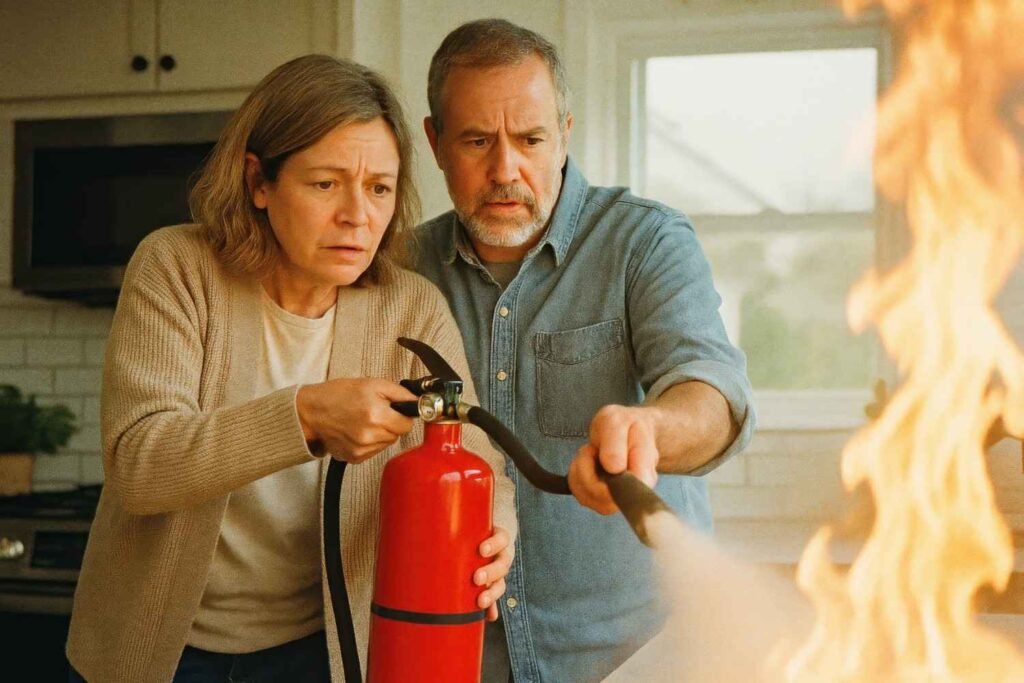
Keep a multi-purpose fire extinguisher in an easy-to-reach spot, but do not let it give you false confidence. If flames spread quickly or smoke fills the room, leave immediately and call 911.
How Can You Make Escape Routes Safer in an Older House?
Escape planning matters more in older homes because layouts can be unusual. Some houses have narrow staircases, finished attics, basement bedrooms, tight hallways, old additions, or windows that no longer open easily.
The NFPA (The National Fire Protection Association) recommends drawing a home floor plan and marking two ways out of every room, including doors and windows. It also recommends marking smoke alarm locations as part of the escape plan.
Check that vintage windows are not painted shut or warped. Clear newspapers, boxes, furniture, and clutter from hallways and stairwells. If windows have security bars or grilles, make sure they have quick-release latches that open from the inside.
Choose a specific outdoor meeting spot, such as a tree, mailbox, or neighbor’s driveway, and make sure everyone knows to go there after escaping.
Why Do Older Adults Need Extra Fire Safety Support?
Older adults living in older homes may face extra danger because of mobility limitations, hearing loss, medication effects, or slower reaction time. A safe house should match the needs of the people inside it.
Keep eyeglasses, hearing aids, a phone, shoes, and mobility aids near the bed. Consider smoke alarms with flashing lights or bed shakers if hearing is limited. Make sure pathways stay clear at night and that bedroom doors and windows can open quickly.
This is one reason fire safety should not be treated as a one-time project. It should become part of how the home is maintained.
A Simple Monthly Fire Safety Routine for Older Homes
Once a month, I would walk through the house and check the basics. Test smoke alarms, check carbon monoxide detectors, inspect cords, clear clutter near heaters, clean dryer lint, check the stove area, and confirm that exits are not blocked.
Look for warm outlets, tripped breakers, damaged cords, loose plugs, and signs of moisture near electrical areas. Check that fire extinguishers are visible and accessible in places like the kitchen, garage, laundry room, workshop, and near the fireplace.
Frequently Asked Questions (FAQs)
1. What is the biggest fire hazard in an older home?
The biggest hazard is often the electrical system. Outdated wiring, overloaded circuits, old panels, fabric-insulated wiring, and unsafe DIY repairs can increase the risk of an electrical fire.
2. Should older homes have interconnected smoke alarms?
Yes. Interconnected smoke alarms are a smart upgrade because when one alarm sounds, every alarm in the home sounds. This is helpful in older homes with basements, attics, thick walls, or closed-off rooms.
3. Are painted-shut windows a fire safety problem?
Yes. Painted-shut or warped windows can block an emergency escape route. Every bedroom should have windows that open easily, especially if they are part of the home’s escape plan.
4. Where should fire extinguishers be placed in an older house?
Place multi-purpose fire extinguishers in accessible areas such as the kitchen, garage, laundry room, workshop, and near fireplaces. They should be easy to reach, but escaping and calling 911 should always come first if a fire spreads.
Final Thoughts
Older homes deserve protection that respects both their charm and their risks. I would start with smoke alarms, electrical inspections, heating safety, open escape routes, a monthly safety routine, and smart energy efficient home upgrades that improve comfort without ignoring safety.
These fire safety tips for older homes are not about fear. They are about protecting the people, memories, and history inside the house before one hidden hazard becomes a disaster.