

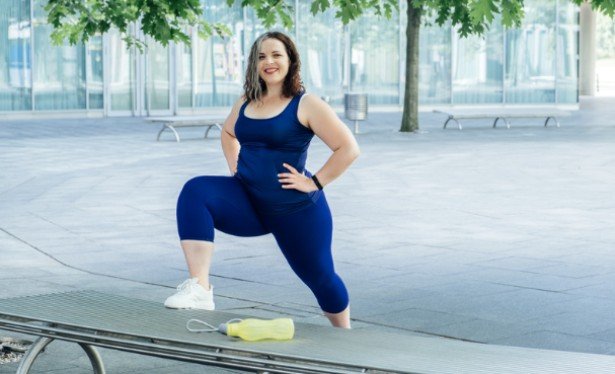
I used to think a “real” workout had to leave me breathless, sweaty, and sore the next day. Then I realized that fitness does not have to punish the body to improve it. Low-Impact Workouts for Everyday Fitness are perfect for people who want steady movement, better strength, improved heart health, and fewer aches from jumping, sprinting, or pounding pavement.
The best part is that low-impact exercise is not only for beginners or older adults. It works for busy parents, office workers, people returning after a break, anyone managing sore knees, and even regular gym-goers who need smarter recovery days. When done consistently, these workouts can help you build endurance, protect your joints, and make movement feel like a normal part of life instead of a stressful task.
What Low-Impact Workouts Actually Mean
Low-impact workouts are exercises where at least one foot usually stays on the ground, or the body is supported by water, a bike, a machine, or a mat. That means your joints are not taking the same repeated shock they would from running, jumping jacks, burpees, or box jumps.
Low impact does not mean lazy. A brisk walk, cycling class, rowing workout, Pilates session, swimming routine, or strength circuit can still raise your heart rate and challenge your muscles. The difference is that the movement feels smoother on the ankles, knees, hips, and lower back.
This makes low-impact training especially useful for everyday fitness because it is easier to repeat. A workout you can do four or five times a week without feeling destroyed will usually help more than one intense session that leaves you avoiding exercise for days.
Why Low Impact Does Not Mean Low Results
Many people skip low-impact workouts because they assume gentle movement cannot burn calories, build muscle, or improve stamina. That is one of the biggest fitness myths. Intensity and impact are not the same thing.
Impact is about how much force your body absorbs when you move. Intensity is about how hard your heart, lungs, and muscles are working. You can keep the impact low while still increasing intensity through speed, resistance, incline, range of motion, shorter rest periods, or longer workout duration.
For example, walking on an incline can feel more challenging than jogging on flat ground. A rowing machine can train your legs, back, arms, and core without jumping. A slow strength workout with controlled squats, lunges, and presses can build real muscle while staying joint-friendly.
Best Low-Impact Workouts for Daily Movement
Walking and Interval Walking
Walking is one of the easiest low-impact workouts because it requires no special equipment beyond supportive shoes. For everyday fitness, the goal is not only to stroll but to walk with purpose. A brisk 20 to 30-minute walk can improve circulation, support heart health, reduce stress, and help with weight control.
To make walking more effective, use intervals. Walk at a comfortable pace for two minutes, then increase your speed for one minute. Repeat this pattern for 20 minutes. You can also add hills, stairs, or treadmill incline to make the workout harder without adding joint-pounding impact.
Swimming and Water Aerobics
Swimming is one of the most joint-friendly workouts because water supports the body. It is a great choice for people with knee pain, back discomfort, stiffness, or extra body weight. Swimming also trains the arms, legs, core, lungs, and heart at the same time.
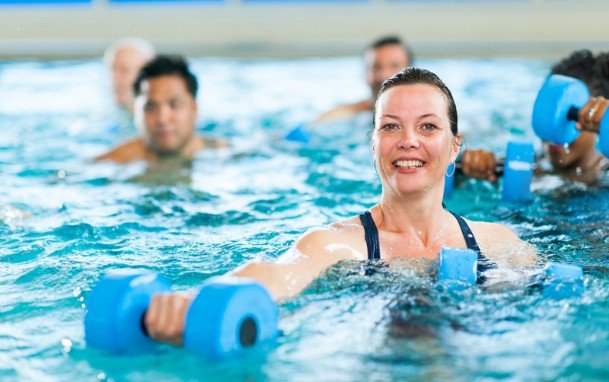
Water aerobics is another smart option. It feels easier on the joints but can still be challenging because water creates natural resistance. Many local fitness centers and community pools offer beginner-friendly water classes, which makes it easier to stay consistent.
Cycling and Stationary Bike Workouts
Cycling is ideal if you want cardio without the repeated impact of running. Outdoor biking can be enjoyable, but a stationary bike is often more convenient for daily routines. It works well before work, after dinner, or during a short break at home.
For a simple routine, pedal easily for five minutes, then alternate one minute of harder pedaling with two minutes of recovery. Continue for 20 to 30 minutes. Increasing resistance helps strengthen the legs and glutes while keeping the workout controlled.
Rowing for Full-Body Fitness
Rowing is often underrated, but it is one of the best low-impact workouts for full-body conditioning. A proper rowing stroke uses the legs first, then the core, then the arms. This helps train strength and cardio together.
Beginners should focus on form before speed. Keep the back tall, push through the legs, and avoid yanking the handle with only the arms. Even 10 to 15 minutes of rowing can feel effective when done with good technique.
Yoga, Pilates, Barre, and Tai Chi
Yoga improves flexibility, balance, breathing, and body awareness. Pilates strengthens the core, hips, glutes, and posture muscles. Barre uses small controlled movements to challenge the legs and stabilizing muscles. Tai chi is slower and gentler, making it especially helpful for balance, coordination, and stress relief.
These workouts are excellent for people who sit for long hours. They help loosen tight hips, reduce stiffness, and improve posture without aggressive impact.
Low-Impact Strength Training
Strength training belongs in any everyday fitness plan. It protects muscle, supports metabolism, strengthens bones, and makes daily activities easier. The low-impact version avoids jumping and focuses on controlled movement, just like choosing healthy snacks for work and home supports a balanced routine without making wellness feel complicated.
Good exercises include bodyweight squats, glute bridges, wall push-ups, step-ups, resistance band rows, seated dumbbell presses, dead bugs, bird dogs, and farmer carries. Start with lighter resistance and focus on smooth form. As strength improves, increase weight or repetitions gradually.
A strong routine using Low-Impact Workouts for Everyday Fitness should include both cardio and strength. Cardio supports heart health and stamina, while strength training keeps the body capable, balanced, and resilient.
A Simple 7-Day Low-Impact Fitness Plan

For Monday, start with a 25-minute brisk walk and five minutes of stretching. On Tuesday, do a low-impact strength routine with squats, wall push-ups, glute bridges, rows, and core work. On Wednesday, choose cycling, swimming, or rowing for 20 to 30 minutes.
Thursday can be a mobility day with yoga, Pilates, or tai chi. On Friday, repeat strength training and add light dumbbells or resistance bands if your form feels strong. Saturday is a good day for a longer walk, easy hike, dance workout, or water aerobics class. Sunday can be active recovery with gentle stretching and a relaxed walk.
This kind of weekly plan works because it feels realistic. It gives the body variety without overloading the joints.
Who Should Be Careful Before Starting?
Most people can benefit from low-impact exercise, but anyone with chest pain, dizziness, recent surgery, serious injury, severe joint pain, or a chronic medical condition should get professional guidance before beginning a new routine.
Sharp pain is not normal. Muscle effort, mild fatigue, and light soreness can happen, but joint pain, swelling, or pain that changes your walking pattern should not be ignored.
Frequently Asked Questions
1. Are Low-Impact Workouts for Everyday Fitness good for weight loss?
Yes, they can help with weight loss when done consistently and paired with balanced eating habits. Walking, cycling, swimming, rowing, and strength training can all support calorie burn and muscle maintenance.
2. Can low-impact workouts build muscle?
Yes. Controlled strength exercises, resistance bands, dumbbells, Pilates, barre, and rowing can all build muscle when you gradually increase resistance or repetitions.
3. How many days a week should I do low-impact exercise?
Most people can aim for three to five days a week, depending on fitness level and recovery. A balanced routine should include cardio, strength, flexibility, and rest.
4. Is walking enough for everyday fitness?
Walking is a great foundation, but it works best when combined with strength and mobility exercises. This helps improve balance, posture, muscle tone, and long-term joint support.
Final Thoughts
I like low-impact training because it makes fitness feel possible on normal days, not just perfect days. You do not need extreme workouts to feel stronger, healthier, and more energetic. You need movement that fits your body and schedule.
The smartest routine is one you can repeat without dreading it. Start with walking, cycling, swimming, yoga, Pilates, rowing, or simple strength training. Keep the impact low, adjust the intensity as you improve, and let consistency do the hard work.