




I used to think low energy was just part of being busy. A rushed morning, a quick coffee, a late lunch, and a heavy dinner felt normal until I noticed the same crash happening almost every afternoon. That is why I started paying closer attention to food timing, hydration, protein, and the kind of carbs I was eating.
The truth is, Easy Nutrition Tips for Better Energy do not require a strict meal plan or expensive supplements. Small changes in everyday meals can help the body feel steadier, fuller, and more alert. The goal is not to eat perfectly. It is to build simple habits that support energy from breakfast to bedtime.
Why Food Has a Big Impact on Energy
Food is fuel, but not all fuel works the same way. Sugary drinks, refined snacks, and oversized meals may give a quick lift, but they can also leave you feeling tired soon after. Balanced meals work differently because they provide slower, steadier energy.
A good energy-supporting meal usually includes complex carbohydrates, protein, healthy fats, fiber, and water. These help slow digestion, support fullness, and reduce the sharp rise-and-fall feeling that often comes after sweet foods or highly processed snacks.
Energy also depends on meal timing. Skipping meals can make you feel shaky, foggy, or overly hungry later. Eating too much at once can make the body feel sluggish because digestion takes more effort. The best approach is simple consistency.
Start the Day With a Balanced Breakfast
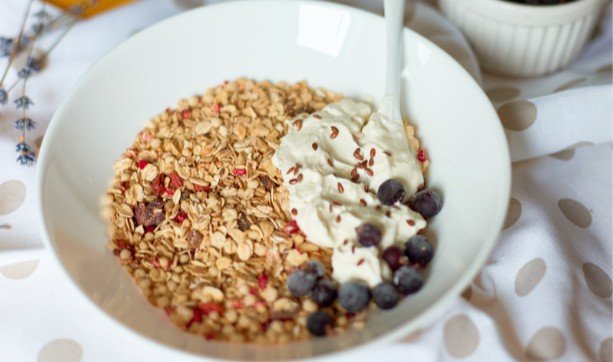
Breakfast does not have to be huge, but it should give your body something useful to work with. A coffee-only morning may feel convenient, but it often leads to hunger, cravings, and poor focus later in the day.
A balanced breakfast should include protein, fiber, and slow-digesting carbs. Oatmeal with nuts and fruit, eggs with whole grain toast, Greek yogurt with berries, or a smoothie with protein and nut butter can all work well. These options are easy, filling, and realistic for busy mornings.
If you do not feel hungry right after waking up, a smaller option can still help. A banana with peanut butter, a boiled egg with fruit, or yogurt with seeds can prevent the midmorning crash without feeling too heavy.
Choose Complex Carbs Instead of Quick Sugar
Carbohydrates are not the enemy of energy. The type of carbohydrate matters more than the carb itself. Complex carbs provide slower fuel because they usually contain more fiber and nutrients.
Whole grains, oats, brown rice, quinoa, beans, lentils, sweet potatoes, fruits, and vegetables are better choices for steady energy than candy, pastries, soda, or white bread eaten alone. Quick sugar can raise energy fast, but the crash that follows can make fatigue worse.
A smart plate does not need to be complicated. Pair rice with beans, toast with eggs, fruit with yogurt, or sweet potato with chicken. Combining carbs with protein and fat helps the meal last longer.
Add Protein to Every Meal
Protein helps keep hunger under control and supports steady energy between meals. Without enough protein, even a meal that feels filling at first may leave you hungry again quickly.
Easy protein choices include eggs, chicken, turkey, fish, Greek yogurt, cottage cheese, tofu, beans, lentils, hummus, nuts, seeds, and nut butter. The best choice is the one you can actually use often.
For lunch, a salad with only lettuce and dressing may not hold you for long. Adding chicken, beans, tuna, eggs, tofu, or chickpeas can make it much more satisfying. For dinner, protein should not be an afterthought. It should be part of the main plate.
Use Healthy Fats for Longer Fullness

Healthy fats help meals feel more satisfying. They also make simple foods taste better, which makes healthy eating easier to maintain.
Avocado, olive oil, nuts, seeds, nut butter, salmon, eggs, and full-fat or reduced-fat dairy can all fit into an energy-focused eating pattern. The key is portion balance. Healthy fats are useful, but they are also calorie-dense, so a little can go a long way.
A slice of whole grain toast with avocado and egg, apple slices with peanut butter, or yogurt topped with walnuts can help you stay full longer than plain carbs alone. Balanced food choices are also part of natural ways to support better sleep, especially when they help prevent late-night hunger or energy crashes.
Stay Hydrated Before Fatigue Hits
Dehydration can feel like tiredness, poor focus, headache, or irritability. Many people reach for another coffee when their body may actually need water.
A practical habit is to drink water in the morning, with meals, and between meals. You do not need to force huge amounts at once. Steady intake throughout the day works better.
Unsweetened tea, sparkling water, water-rich fruits, soups, and vegetables can also support hydration. Sugary drinks and energy drinks may feel helpful for a short time, but they can add unnecessary sugar and lead to another crash.
Eat Smaller Meals to Avoid the Afternoon Slump
Large meals, especially heavy lunches, can make the afternoon feel slow and unproductive. This does not mean you need to eat tiny portions. It means your meals should feel balanced instead of overloaded.
A steady-energy lunch might include whole grains, vegetables, protein, and healthy fat. A turkey club sandwich on whole grain bread with vegetables, a rice bowl with beans and chicken, or a lentil soup with fruit can be filling without being too heavy.
If you get hungry between meals, plan a snack before you become exhausted. Waiting too long can lead to overeating later or grabbing the quickest sugary option.
Pick Smart Snacks Between Meals

Snacks can either support energy or drain it. A good snack should combine protein, fiber, or healthy fat so it lasts longer.
Good options include Greek yogurt with fruit, hummus with vegetables, apple with peanut butter, nuts with a piece of fruit, cheese with whole grain crackers, boiled eggs, roasted chickpeas, or cottage cheese with berries.
A snack is not a failure. It can be a bridge between meals. The problem is relying on sweets, chips, soda, or sweet coffee drinks as the main source of afternoon energy.
Limit Caffeine, Alcohol, and Sugary Drinks
Caffeine can be useful, but timing matters. Coffee may help alertness in the morning, but too much caffeine late in the day can affect sleep, which then lowers energy the next day.
Sugary drinks can also create a short burst followed by a dip. This includes soda, sweet tea, flavored coffee drinks, and many energy drinks. Choosing water, unsweetened tea, or coffee with less added sugar can help reduce crashes.
Alcohol can also affect sleep quality, even when it makes you feel relaxed at first. Poor sleep and low energy often go together, so limiting alcohol may support better next-day energy.
Watch for Nutrients That Affect Fatigue
Sometimes food habits are not the only reason for low energy. Nutrients like iron, vitamin B12, vitamin D, magnesium, and folate may play a role in fatigue for some people.
Iron-rich foods include lean beef, beans, lentils, spinach, turkey, eggs, and fortified cereals. Vitamin B12 is found in animal foods like eggs, dairy, fish, and meat, while fortified foods may help people who eat fewer animal products.
If tiredness feels ongoing, sudden, or unusual, it is smart to speak with a healthcare professional. Supplements should not be guessed blindly, especially if fatigue may be connected to sleep, stress, medication, or a health condition.
Frequently Asked Questions
1. What are the best Easy Nutrition Tips for Better Energy for busy people?
The best tips are to eat a balanced breakfast, include protein with every meal, choose complex carbs, drink water regularly, and keep smart snacks ready. These habits help prevent energy crashes without requiring a strict diet.
2. What foods help fight tiredness during the day?
Oats, eggs, Greek yogurt, beans, lentils, brown rice, sweet potatoes, apples, bananas, spinach, nuts, seeds, fish, and lean meats can all support steady energy. The best results usually come from combining these foods instead of eating them alone.
3. Why do I feel tired after lunch?
You may feel tired after lunch if the meal is too large, too high in refined carbs, low in protein, or followed by dehydration. A balanced lunch with protein, vegetables, complex carbs, and healthy fat can help reduce the afternoon slump.
4. Is coffee bad for energy?
Coffee is not bad for everyone, but too much caffeine or late-day caffeine can affect sleep. Poor sleep can lower energy the next day. It is better to use coffee wisely and avoid relying on sweet coffee drinks as a meal replacement.
Final Thoughts
When I want better energy, I no longer look for one magic food. I look at the whole day. Did I eat protein? Did I drink enough water? Did I rely too much on sugar or caffeine? Did I skip meals and then overeat later?
Small nutrition choices add up faster than most people think. A better breakfast, a balanced lunch, smarter snacks, and steady hydration can make the day feel more manageable. I like this approach because it is realistic. You do not have to follow a perfect diet to feel better. You just need simple habits you can repeat.