


I used to think healthy eating meant following every food rule I heard, from cutting carbs to avoiding late-night meals. The more I learned, the more I realized that many popular diet beliefs are not only confusing but also unnecessary. Common Nutrition Myths You Should Stop Believing Matter because they can make everyday eating feel harder than it needs to be.
Good nutrition is not about fear, guilt, or chasing every trend online. It is about understanding what your body needs, building balanced meals, and making choices that fit real life. Let’s clear up the biggest nutrition myths that still mislead many people.
Why Nutrition Myths Spread So Fast
Nutrition myths spread because food advice is everywhere. Social media posts, celebrity diets, short videos, and product ads often make bold claims without explaining the full picture. A simple statement like “carbs are bad” is easier to remember than the truth, which is usually more balanced.
Another reason myths spread is that people want quick results. When someone promises fast weight loss, cleaner eating, better energy, or a perfect diet, it can sound convincing. But long-term health rarely comes from one strict rule. It usually comes from consistent habits, enough nutrients, and a healthy relationship with food.
Myth 1: Carbs Are Always Bad for You
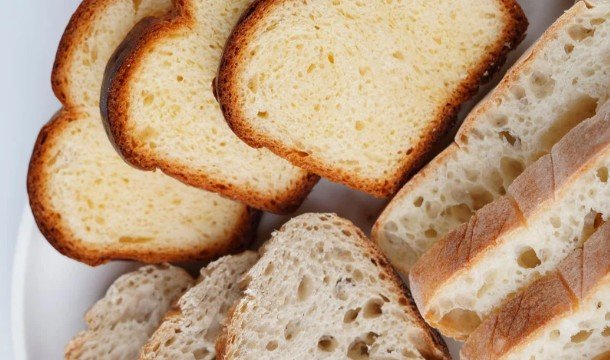
Carbs are one of the most misunderstood nutrients. Many people believe cutting carbs is the only way to lose weight or stay healthy, but that is not true. Carbohydrates are a major source of energy, especially for the brain, muscles, and daily activity.
The real issue is not carbs themselves. It is the type and portion of carbs you choose. Whole grains, oats, beans, fruits, and vegetables provide fiber, vitamins, and steady energy. Highly refined snacks and sugary drinks are different because they are easy to overeat and may not keep you full for long.
Myth 2: Eating at Night Causes Weight Gain
Eating after a certain hour does not automatically cause weight gain. What matters more is your total food intake, food quality, portion size, and activity level over time. A balanced evening snack can be perfectly fine, especially if you are hungry.
The problem happens when late-night eating turns into mindless snacking. Chips, sweets, and oversized portions while watching TV can add extra calories without much satisfaction. If you need something at night, choose a simple option like yogurt, fruit, nuts, or toast with peanut butter.
Myth 3: Gluten-Free Means Healthier
Gluten-free foods are important for people with celiac disease or gluten sensitivity. But for everyone else, gluten-free does not automatically mean healthier. Some gluten-free packaged foods can still be high in sugar, salt, or refined starches.
A food label should not be the only reason you trust a product. Instead of focusing only on “gluten-free,” look at the whole food. Check fiber, protein, added sugar, and ingredients. A balanced diet can include wheat, barley, or rye unless you have a medical reason to avoid them.
Myth 4: All Processed Foods Are Unhealthy

Not all processed foods are bad. Processing simply means a food has been changed from its original form. Frozen vegetables, canned beans, plain yogurt, nut butter, and whole grain bread are all processed in some way, but they can still be nutritious.
The better question is how much processing has happened and what was added. Foods with too much added sugar, sodium, and unhealthy fats should be limited. But convenient foods can still support healthy eating when chosen wisely.
Myth 5: Fruit Has Too Much Sugar
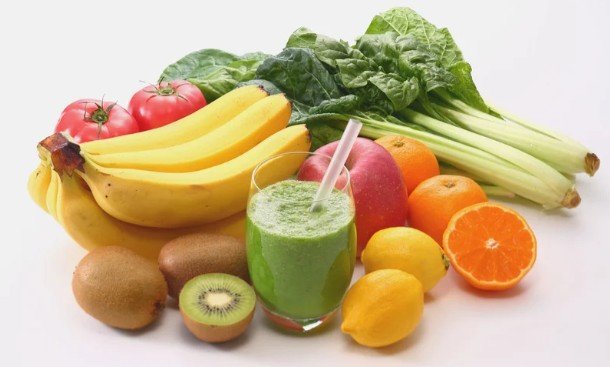
Fruit contains natural sugar, but it also provides fiber, water, vitamins, minerals, and antioxidants. This makes fruit very different from candy, soda, or desserts with added sugar. The fiber in whole fruit helps slow digestion and keeps you fuller.
Most people do not need to fear fruit. Apples, berries, bananas, oranges, grapes, and melons can all fit into a healthy diet. If you are watching blood sugar, pair fruit with protein or healthy fat, such as nuts, cheese, or yogurt.
Myth 6: Low-Fat Foods Are Always Better
Low-fat does not always mean healthy. Some low-fat products replace fat with sugar, starch, or artificial ingredients to improve taste. This can make them less satisfying and may lead you to eat more later. One of the best everyday tips for busy people is to check the ingredient list instead of trusting the front label.
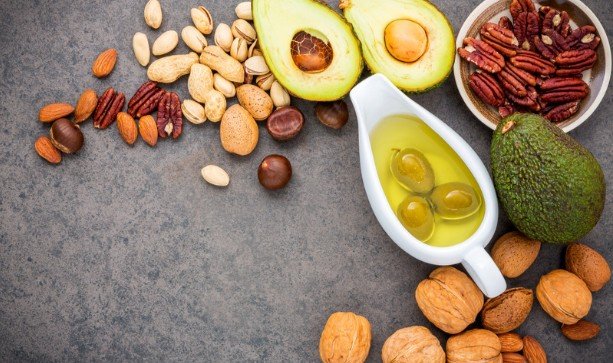
Healthy fats are important for hormones, brain function, and absorbing certain vitamins. Foods like avocado, olive oil, nuts, seeds, eggs, and fatty fish can be part of a balanced diet. The goal is not to remove all fat, but to choose better fat sources and watch portions.
Myth 7: Detox Drinks Cleanse Your Body

Detox teas, juices, and cleanses often promise to remove toxins, flatten your stomach, or reset your body. In reality, your liver, kidneys, lungs, skin, and digestive system already help process and remove waste every day.
A short cleanse may make you feel lighter because you are eating less, but it does not create lasting health. Some detox products can even cause digestive discomfort or encourage unhealthy restriction. Drinking water, eating fiber-rich foods, sleeping well, and limiting alcohol are better ways to support your body naturally.
Myth 8: Seed Oils Are Toxic
Seed oils are often criticized online, but the truth is more balanced. Substitutes of vegetable oils, and safflower oil are not automatically toxic. Many concerns come from oversimplified claims that ignore the rest of a person’s diet.
The bigger problem is often the foods these oils appear in, such as fried snacks, fast foods, and packaged treats. Instead of fearing one ingredient, focus on eating more whole foods, using oils in reasonable amounts, and choosing a variety of fat sources.
Myth 9: Healthy Eating Is Too Expensive
Healthy eating can be expensive if you rely only on specialty products, trendy powders, or prepared meals. But basic nutritious foods can be budget-friendly. Beans, lentils, eggs, oats, rice, potatoes, canned tuna, frozen vegetables, and seasonal fruit are affordable options.
Meal planning also helps. When I plan simple meals ahead, I waste less food and make fewer impulse purchases. Healthy eating does not have to look fancy. It just needs to be practical, nourishing, and repeatable.
Myth 10: More Protein Alone Builds Muscle

Protein is important, but eating more protein by itself does not build muscle. Muscle growth also requires strength training, enough calories, rest, hydration, and consistency. Without resistance exercise, extra protein will not magically change your body.
Most people benefit from spreading protein throughout the day. Eggs, fish, chicken, beans, lentils, tofu, yogurt, cottage cheese, and lean meats can all help. The best approach is to combine protein with balanced meals and regular movement.
How to Spot Bad Nutrition Advice Online
Bad nutrition advice often sounds extreme. Be careful with claims that say one food is always bad, one supplement fixes everything, or one diet works for everyone. Real nutrition advice usually allows flexibility because people have different bodies, goals, cultures, budgets, and health needs.
Also watch for fear-based language. Words like “toxic,” “poison,” “cleanse,” and “miracle” are often used to sell products or create panic. Reliable advice explains context, gives realistic steps, and does not shame people for eating normal foods.
Frequently Asked Questions
1. What are the most common nutrition myths?
Some common myths include carbs are bad, eating at night causes weight gain, fruit has too much sugar, detox drinks cleanse the body, and low-fat foods are always healthier.
2. Are carbs bad for weight loss?
Carbs are not bad for weight loss. Choosing high-fiber carbs and controlling portions can support energy, fullness, and balanced eating.
3. Is detoxing necessary for better health?
Detoxing is not necessary for most people. Your body already has natural detox systems, and daily habits like drinking water, eating fiber, and sleeping well are more helpful.
4. Why should I learn about Common Nutrition Myths You Should Stop Believing?
Learning about Common Nutrition Myths You Should Stop Believing helps you avoid fear-based food rules and make smarter choices with confidence.
Final Thoughts
I believe nutrition becomes much easier when we stop treating food like a list of strict rules. Most people do not need a perfect diet. They need clear information, simple meals, and habits they can actually maintain.
The biggest lesson is that balance matters more than fear. Carbs, fats, fruit, processed foods, and evening snacks can all fit into a healthy lifestyle when chosen with awareness. By letting go of Common Nutrition Myths You Should Stop Believing, you can eat with more confidence and less confusion.