


I used to think aging well was mostly about avoiding illness, but I now see it as something much bigger. It is about staying strong, moving comfortably, eating in a way that supports energy, protecting the mind, and keeping daily habits simple enough to follow. How to Take Care of Your Body as You Age is not about chasing youth. It is about giving your body the support it needs so you can feel more active, confident, and independent through every stage of life.
The body changes naturally with time. Muscles may lose strength, joints may feel stiffer, skin may become thinner, sleep may shift, and energy may not feel the same. Still, small choices made every day can make a major difference. A healthy routine does not have to be extreme. It should be steady, realistic, and built around movement, nutrition, rest, prevention, and emotional wellness.
Understand How Your Body Changes With Age
Aging affects almost every part of the body. Bones can become less dense, muscles may need more regular use to stay strong, digestion can slow down, and balance may become more important for safety. The heart, brain, skin, eyes, teeth, and joints also need consistent care.
This does not mean decline is unavoidable. It means your body needs smarter support. Instead of waiting for discomfort or weakness to appear, it helps to build habits that protect strength, flexibility, circulation, memory, and recovery. The earlier these habits become part of daily life, the easier they are to maintain.
Move Every Day to Protect Strength and Mobility
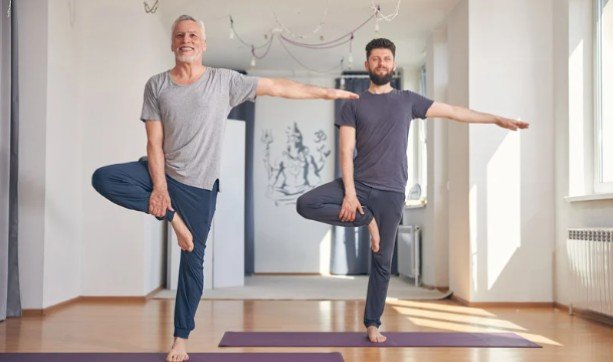
Movement is one of the most powerful tools for healthy aging. A good routine should include walking, stretching, strength training, and balance work. Walking supports the heart, joints, mood, and weight control. Strength exercises help preserve muscle, support bones, and make daily tasks easier.
Simple resistance exercises like squats, wall push-ups, step-ups, light weights, or resistance bands can help maintain strength. Balance exercises such as standing on one foot, heel-to-toe walking, or gentle yoga can reduce the risk of falls. Stretching supports flexibility and helps the body feel less stiff.
The goal is not to train like an athlete. The goal is to keep the body useful, steady, and ready for everyday life.
Eat for Muscle, Bone, Brain, and Energy
Food becomes even more important with age because the body needs nutrients that support repair, strength, and long-term health. Protein helps protect muscle. Fiber supports digestion and heart health. Calcium and vitamin D support bones. Vitamin B12 supports nerves and energy. Omega-3 fats support the brain and heart.
A strong plate usually includes lean protein, vegetables, fruits, whole grains, beans, nuts, seeds, and healthy fats. It also helps to limit highly processed foods, excess sugar, and too much sodium. These choices can affect energy, blood pressure, inflammation, digestion, and weight.
Hydration also matters. Many people drink less water as they get older, but the body still needs fluids for digestion, circulation, skin, joints, and temperature balance. Water, herbal tea, soups, and water-rich fruits can all help.
Take Care of Your Heart and Weight
Heart health should be part of every aging plan. Regular movement, balanced meals, good sleep, stress control, and routine checkups all support the heart. Maintaining a healthy weight can also reduce pressure on the joints and lower the risk of several long-term health issues.
Instead of strict dieting, focus on steady habits. Eat slowly, choose more whole foods, watch portion sizes, and pay attention to how certain meals affect your energy. A healthy body is not about being thin. It is about having enough strength, stamina, and balance to enjoy daily life.
Protect Your Skin, Teeth, Eyes, and Hearing

Healthy aging is not only about muscles and bones. Skin, teeth, eyes, and hearing deserve regular attention too. Skin can become drier and more sensitive over time, so gentle cleansing, moisturizer, sunscreen, and hydration are helpful daily habits.
Dental care is also important because gum health can affect comfort, eating, and overall wellness. Brushing, flossing, and regular dental visits help protect the mouth as the body ages.
Vision and hearing changes can happen gradually. Regular eye exams and hearing checks help catch problems early. These small steps can improve safety, confidence, communication, and quality of life.
Support Digestion and Gut Health
Digestion often changes with age, especially when activity levels, hydration, or food choices shift. Fiber-rich foods such as vegetables, fruits, oats, lentils, beans, and whole grains can support regular digestion. Drinking enough fluids and staying active also help the digestive system work better.
It is also useful to notice which foods make you feel heavy, bloated, tired, or uncomfortable. A body that is aging well is often a body that is being listened to carefully.
Make Sleep and Stress Control a Priority
Sleep helps the body repair, balance hormones, support memory, and restore energy. As people age, sleep patterns may change, but good sleep habits still matter. A steady bedtime, less screen time before bed, a calm room, and limited late caffeine can help.
Stress can affect the heart, digestion, sleep, mood, and immune system. Simple practices like walking, prayer, journaling, breathing exercises, gardening, music, or quiet time can help the body settle. Emotional health is physical health too.
Keep Your Brain Active and Stay Connected
The brain needs care just like the body. Reading, puzzles, learning new skills, hobbies, music, cooking, and meaningful conversations can help keep the mind engaged. Social connection also plays a major role in healthy aging.
Loneliness can affect mood, motivation, and daily health habits. Spending time with family, friends, neighbors, community groups, or interest-based clubs can support emotional strength. A healthy life is easier to maintain when it feels connected and purposeful.
Do Not Skip Regular Checkups

Preventive care is one of the smartest ways to protect the body with age. Regular visits with a doctor can help track blood pressure, cholesterol, blood sugar, bone health, vision, hearing, dental health, and other important areas.
Checkups can also help identify small problems before they become bigger. Staying updated on recommended screenings and discussing new symptoms early can make long-term health easier to manage.
A Simple Daily Healthy Aging Routine
A good daily routine can be simple. Start the morning with water, light stretching, and a balanced breakfast. Add a walk or strength exercise during the day. Eat meals with protein, fiber, and colorful foods. Take breaks from sitting. Spend time outside when possible. Connect with someone. Wind down before bed with a calm routine.
Healthy aging is not built in one perfect day. It is built through repeated habits that support the body again and again.
Frequently Asked Questions
1. What is the best way to learn How to Take Care of Your Body as You Age?
The best way is to focus on daily movement, balanced meals, good sleep, hydration, checkups, mental health, and habits that protect strength and independence.
2. How often should older adults exercise?
Most people benefit from regular weekly movement that includes walking, strength training, stretching, and balance exercises, based on their ability and doctor’s advice.
3. What foods help the body age better?
Protein-rich foods, vegetables, fruits, whole grains, beans, nuts, seeds, calcium-rich foods, and healthy fats can support energy, bones, muscles, digestion, and heart health.
4. Why is strength training important as you get older?
Strength training helps protect muscle, bones, balance, posture, metabolism, and the ability to do everyday tasks with more confidence.
Final Thoughts
As I look at aging, I do not see it as something to fear. I see it as a reason to care for the body with more attention and respect. The habits that matter most are not complicated. Move often, eat well, sleep better, protect your mind, stay connected, and keep up with preventive care.
Aging well is not about doing everything perfectly. It is about choosing small actions that help the body stay strong, steady, and supported. When those choices become part of everyday life, they can make aging feel less like a loss and more like a new stage of strength.