

Pet bowls are small, but they can make a home feel messy fast. A splash of water near the cabinet, a trail of kibble across the floor, or a bulky food bag sitting in the corner can turn a clean room into a cluttered one.
That is why I like pet feeding station ideas that do more than hold bowls. The right setup creates a neat daily routine, gives your pet a comfortable place to eat, and helps your kitchen, mudroom, laundry room, or apartment corner feel more intentional.
Where Should You Put a Pet Feeding Station at Home?
The best location depends on your home layout, your pet’s size, and your daily routine. A good feeding area should be easy to access, away from heavy foot traffic, and simple to wipe down after meals.
A kitchen pet station works well because most families already store food, bowls, and cleaning supplies nearby. You can place bowls at the end of a cabinet run, beside a pantry, under a counter, or inside a kitchen island nook. If your kitchen has unused lower cabinet space, that area can become a clean and practical pet feeding zone.
Mudrooms also work beautifully for dogs, especially in homes where pets come in from the yard, walks, or wet weather. A mudroom dog station keeps food and water away from the main kitchen while still giving your pet a consistent eating spot. Laundry rooms can also work if the area is safe, quiet, and away from detergents or cleaning chemicals.
Built-In Cabinet Feeding Stations That Look Seamless
Integrated cabinetry offers one of the cleanest ways to design a feeding area because it keeps bowls out of the main walking path. A kitchen island nook is a strong option if you are remodeling or planning custom cabinets.
You can hollow out the base of the island, line the back and floor with tile, sealed stone, or marble, and place the bowls inside. This creates a polished feeding area that feels intentional instead of messy.
Toe-kick drawers are another smart solution. These shallow drawers sit at the bottom of kitchen cabinets and slide out during mealtime. After your pet eats, you can push the bowls completely out of sight. This idea works especially well in smaller homes where every inch of floor space matters.
Lower cabinet pull-outs are ideal if you want a dedicated pet drawer. A standard lower cabinet can be converted into a pull-out feeding station with sturdy drawer glides. Since water bowls can become heavy, especially for large dogs, heavy-duty hardware is important. This setup keeps the feeding area hidden, organized, and easy to clean.
Pull-Out Drawer Solutions for a Cleaner Kitchen
Pull-out dog bowls are popular because they reduce visible clutter. Instead of leaving bowls on the floor all day, you can tuck them into a drawer or cabinet when not in use. This works well for open-concept homes where the kitchen connects to the living or dining area.
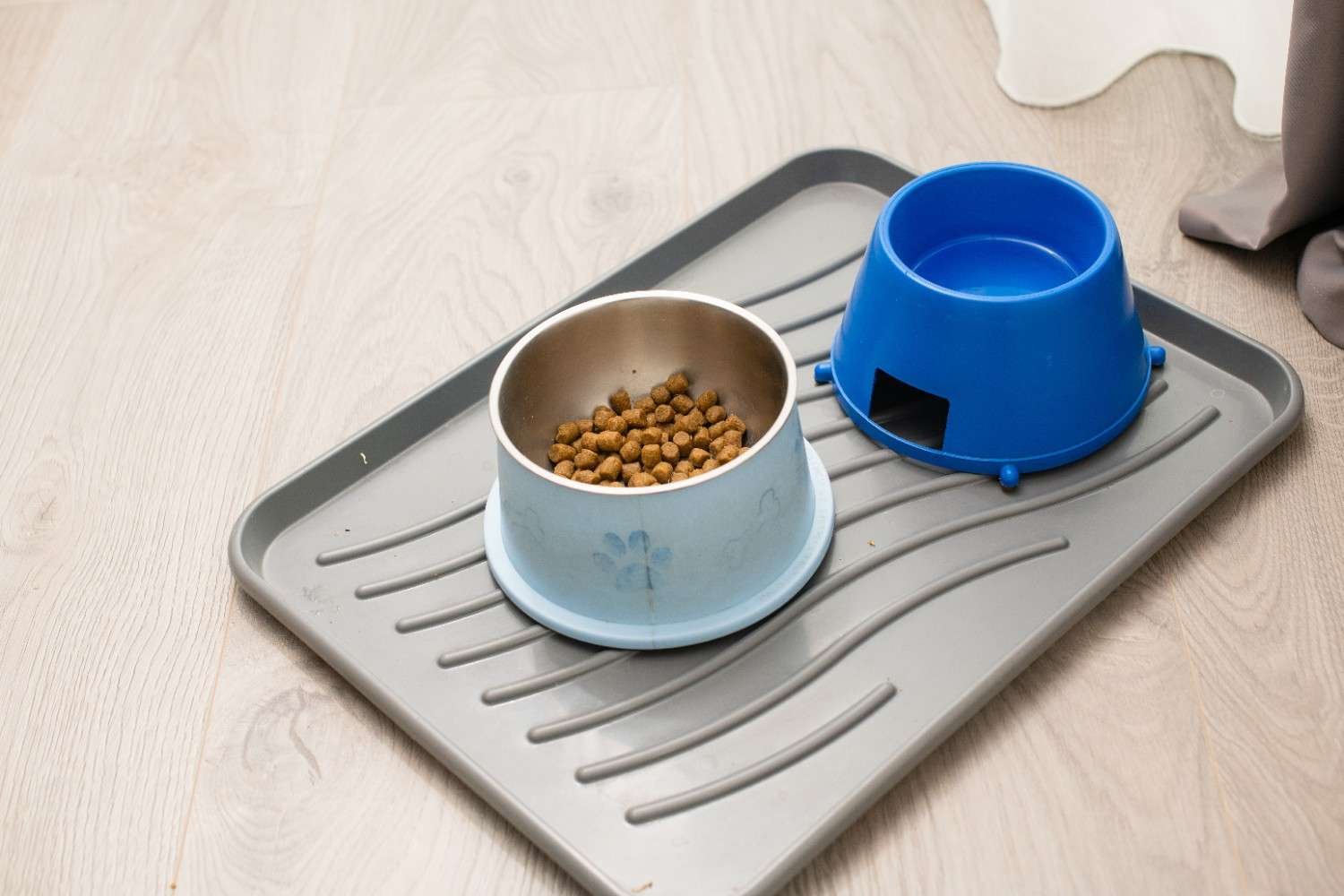
For the best result, line wooden drawers with silicone mats. The mat helps protect the drawer from water damage and keeps bowls from sliding when your pet eats. You can also choose stainless steel bowls that lift out easily for washing.
If you have a large breed, make sure the drawer height matches your dog’s comfort level. Elevated bowls can reduce neck strain for some larger dogs, but the setup should still allow your pet to eat naturally without stretching too high or bending awkwardly.
Standalone Storage Furniture for Pet Feeding Areas
Not every home needs custom cabinetry. Standalone furniture can create the same organized effect without a full renovation. An all-in-one pet credenza is a great example. The bottom section can hold a pull-out drawer with food and water bowls, while the middle or side section can store bulk kibble, treats, and grooming items.
An upcycled dresser or nightstand can also become a stylish DIY pet feeding station. You can remove the bottom drawer, build a recessed platform in its place, and add two elevated stainless steel bowls. The upper drawers can hold treats, medication, waste bags, leashes, brushes, or extra collars.
This approach works well for renters or homeowners who want a custom look without changing built-in cabinets. You can paint the furniture to match your kitchen, mudroom, or entryway and make the station feel like part of your home decor.
Mudroom and Laundry Room Pet Station Ideas
A mudroom bench cutout is one of my favorite solutions for busy households. You can build a custom bench with an open cubby at the bottom, giving your dog a cozy, semi-enclosed place to eat. This keeps the bowls protected from the movement of the main house and helps prevent people from kicking or stepping around them.
Laundry room stations are also practical because they are often close to a water source. Placing the feeding area under a laundry room countertop makes bowl refills easier and keeps pet supplies in one utility-focused space. This works especially well if your laundry room has tile, vinyl, or another water-resistant floor.
The only rule I would not ignore is safety. Pet food and water should never sit close to harsh cleaning products, laundry pods, bleach, or chemical sprays. As part of pet – proofing home spaces, keep the feeding area separate, clean, and easy for your pet to reach.
Small Space Feeding Station Ideas for Apartments
Small apartments and townhomes need compact solutions. A corner feeding mat, slim food container, and low-profile bowls can create a tidy setup without taking over the room. If your kitchen is tight, use the side of a pantry cabinet, the end of a counter, or a small space under a console table.
A hallway feeding station can work if the hallway is wide enough and the bowls do not create a tripping hazard. Choose a mat with raised edges to catch water spills and scattered kibble. Wall-mounted hooks nearby can hold leashes, while a small basket can store treats and waste bags.
For renters, removable and no-build options are best. A washable silicone mat, matching bowls, airtight container, and compact storage basket can make the feeding corner look planned without drilling holes or altering cabinets.
Cat Feeding Station Ideas Away From Dogs
Cats often prefer quiet, protected spaces, so their feeding stations should feel calm. If you have both cats and dogs, an elevated cat feeding area can help keep dog noses out of cat food. A sturdy shelf, counter-height cabinet, or cat furniture with a feeding platform can give your cat a private place to eat.
A hidden cat feeding nook in a laundry room, office, pantry, or quiet hallway can also work well. The key is to place the bowls somewhere your cat can access easily but your dog cannot. In multi-pet homes, separate feeding zones reduce competition and make mealtime calmer.
If your pets eat different diets, keep food containers clearly separated. Labeled bins and dedicated scoops can help prevent mistakes, especially when one pet needs special food.
Pet Food Storage Ideas That Reduce Clutter
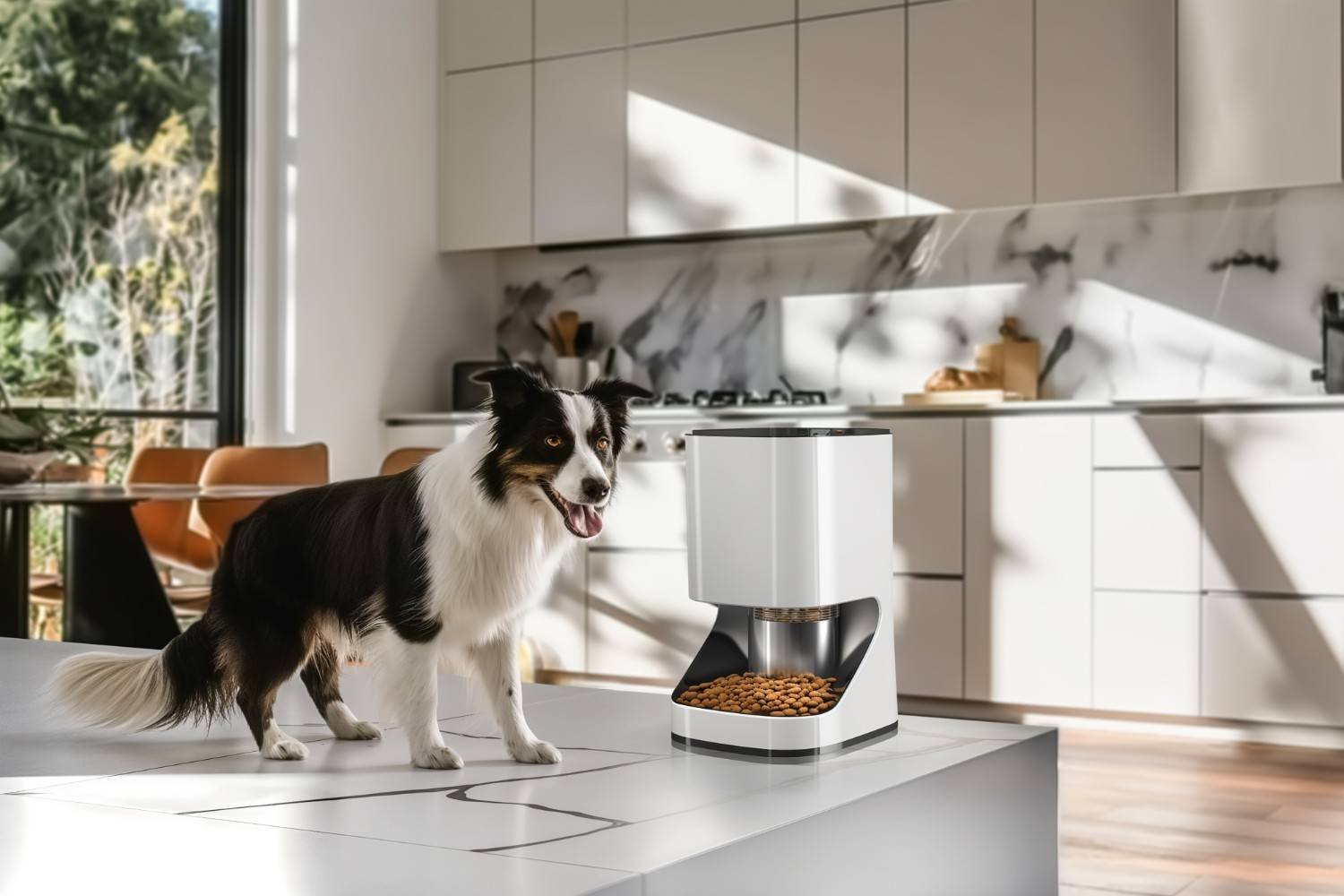
Good pet food storage keeps the feeding station clean and attractive. Large food bags can look messy, so I prefer sealed storage that still protects freshness. The FDA (The Food and Drug Administration) recommends storing dry pet food in a cool, dry place and keeping it secured so pets cannot eat an entire supply at once.
It also recommends keeping dry food in its original bag with the top folded down tightly.
A practical solution is placing the original food bag inside an airtight container. This helps keep the label, lot number, and expiration details available while still making the area look cleaner. Treat jars, scoop hooks, rolling bins, and cabinet baskets can also keep the station organized.
How Do You Keep a Pet Feeding Station Clean?
A pet feeding area should be easy to wipe, wash, and reset. Use water-resistant backsplashes like porcelain tile, sealed stone, or washable wall panels behind the bowls. These surfaces protect walls from splashes and make cleanup faster.
Silicone mats are useful because they catch water, protect floors, and keep bowls from sliding. Stainless steel bowls are also a smart choice because they are durable and easy to wash. The FDA advises washing pet food bowls and scooping utensils with soap and hot water after each use, and the CDC recommends washing hands before and after handling pet food or treats.
I also like keeping a small towel or wipeable cloth nearby. A quick daily cleanup prevents crumbs, water spots, and pet hair from building up.
What Design Details Make a Feeding Station Look Better?
The best pet feeding station ideas combine function with style. If your home has a modern look, choose simple bowls, neutral mats, clean cabinet lines, and hidden storage. For a farmhouse-style home, wood finishes, woven baskets, and labeled containers can look warm and natural.
If you want a luxury feel, use built-in cabinetry, pull-out drawers, tile backsplashes, and stone surfaces. If you prefer a budget-friendly setup, an upcycled dresser, storage bench, or simple feeding corner can still look polished with the right bowls and containers.
The most important design rule is to match the station to your pet’s real habits. If your dog splashes water, prioritize waterproofing. If your cat needs privacy, choose a quiet nook. If your kitchen is small, choose hidden or vertical storage.
Frequently Asked Questions (FAQs)
1. What is the best place for a pet feeding station?
The best place is a quiet, easy-to-clean area such as a kitchen corner, mudroom, laundry room, pantry wall, or lower cabinet nook.
2. Are pull-out pet feeding drawers worth it?
Yes, pull-out drawers are worth it if you want to hide bowls, save floor space, and keep your kitchen looking cleaner between meals.
3. How do I make a dog feeding station look built-in?
Use a lower cabinet nook, kitchen island cutout, toe-kick drawer, or custom mudroom bench with matching finishes and washable surfaces.
4. What should I put under pet food bowls?
Use a silicone mat, raised-edge feeding mat, sealed tile surface, or waterproof liner to catch spills and protect floors or drawers.
Final Thoughts
The best pet feeding station ideas make feeding time cleaner, easier, and more organized. Whether you choose a kitchen island nook, toe-kick drawer, lower cabinet pull-out, pet credenza, mudroom bench cutout, or small apartment corner, the goal is the same: create a dedicated space that works for your pet and your home.
I would start by choosing the right location, then add storage, washable surfaces, non-slip matting, and bowls that fit your pet’s size. With a thoughtful setup, your feeding area can look stylish, reduce daily mess, and make your home feel much more organized while also supporting how to create a relaxing corner at home for both you and your pet.